Google's November 2026 Pixel Drop expands Gemini Intelligence to eligible Pixel 10 phones, adds ways to build home-screen widgets, and puts the Pixel Tag tracker on sale November 11. But the most useful question for owners is not whether Google announced more AI. It is which features their specific phone can use, in their country, and when.
Google announced the update November 10, saying software features would roll out over several weeks. Some are already described as available; others are rolling out or coming to watches later. The distinctions matter because a new feature on the Pixel 11 is not automatically a new feature on every older Pixel, and a regional expansion is not a worldwide launch.
What the November 2026 Pixel Drop adds to Pixel 10
In its November 10 Pixel announcement, Google says Gemini Intelligence is expanding to the Pixel 10 family. The update includes Rambler, which removes filler words and organizes dictated text, personalized suggestions that anticipate certain next steps, and selected multistep tasks handled through Gemini. Google's eligibility notes exclude the Pixel 10a from the main Gemini Intelligence expansion.
Those functions should not be treated as interchangeable. Cleaning up a dictated message leaves the user an opportunity to review a proposed text. Ordering food, arranging a ride or booking a reservation involves other services, personal information and potentially a charge. Before confirming a consequential action, check the destination, order details, total cost and cancellation conditions. This is a practical precaution, not an assertion that Unhyd independently tested these tools.
Google's separate Android AI announcement says Gemini task automation is expanding to the United Kingdom, India and Japan. That identifies new supported markets; it does not establish that the feature is available to every user in those places or unavailable elsewhere. Device, language, age and account restrictions still apply.
Create My Widget is useful only if its information is trustworthy
Another addition, Create My Widget, lets eligible users describe a custom home-screen widget in ordinary language. Google gives examples including a monthly spending tracker, a trip countdown and a sports display. The company says some widgets can draw from Gmail, Calendar and Search, and that the capability is rolling out over the next few weeks.
That could reduce the need to open several apps for a quick overview. It does not mean a generated spending widget is a reconciled financial statement or that a travel widget contains every change to a booking. Its accuracy may depend on which services are connected, which records the system can read and whether those records are current. Google has not established an independent accounting-accuracy benchmark for these custom widgets in its announcement.
For a widget that uses personal data, identify what it is allowed to access and check sensitive outputs against the original source. Unhyd's guide to app privacy labels explains why a permission or disclosure screen is a starting point for evaluating data use, not a blanket security certification. The same caution is relevant as AI features gain permission to retrieve information across apps.
Pixel Tag goes on sale November 11, but was announced in August
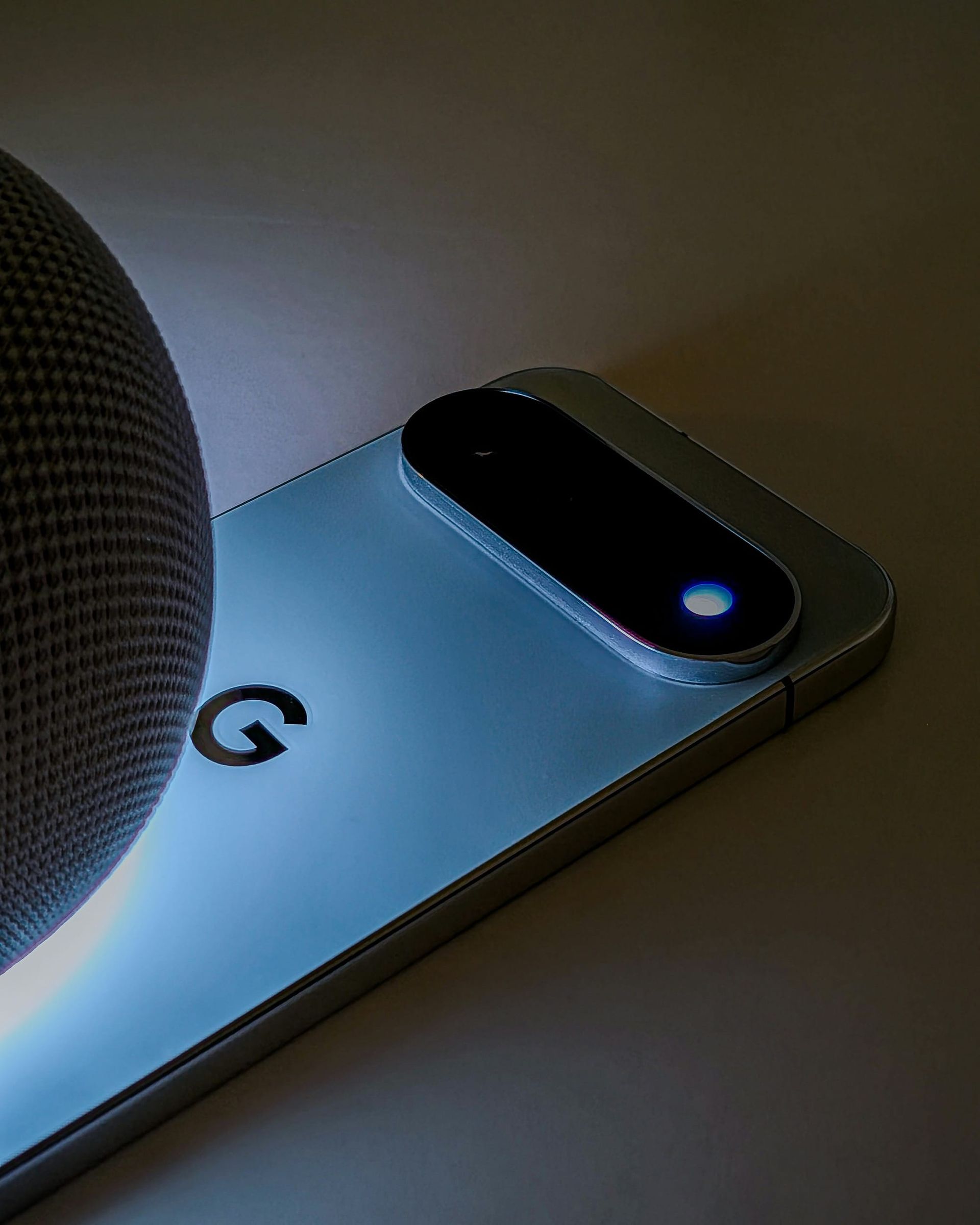
Pixel Tag is a separate hardware development. Google first unveiled the tracker on August 12; the November news is its scheduled retail availability. Google's November 10 announcement lists a U.S. price of $29.99 for one or $99.99 for four, with sales beginning November 11.
Google says the tracker uses its Find Hub network of more than one billion Android devices and ultra-wideband technology for nearby directional guidance on compatible hardware. Google's November announcement describes battery life as exceeding one year, although its August introduction said up to one year. Those descriptions are not identical; readers should check the current product specification. These are company specifications, not Unhyd measurements of how reliably a lost item can be recovered in a particular neighborhood, building or country.
A buyer should verify Android compatibility, requirements for precise nearby finding, replacement-battery details and unwanted-tracker safeguards. Pixel Tag's launch should not be confused with a software update that appears on an older phone without buying an accessory.
Which older Pixel phones and watches qualify?
The November update extends beyond the Pixel 10. Google's main text describes expanded Pixel search for Pixel 6 and newer devices, while its eligibility footnote specifies Pixel 6a and newer. For that feature, the more restrictive model list in the footnote is the safer guide until the company reconciles the wording.
Custom icon styles also have Pixel 6a-and-newer eligibility, according to Google's notes. On the Pixel 11 family, an upgraded Gemini-powered Call Screen can ask unknown callers about their purpose and show a live transcript; Google's footnote limits this update to eligible Pixel 11 models in the United States. HiLight support for selected Google Messages alerts has narrower Pixel 11 Pro-family requirements.
On watches, step-by-step workouts are rolling out to Pixel Watch 3 and newer models. Phone-assisted unlocking is described as coming in the next few weeks and has its own watch, phone and ultra-wideband requirements. Custom widgets on compatible watches also have a later rollout. None of those statements means every Pixel Watch owner can enable every feature on November 11.
How to check the rollout before relying on a feature
First, find the exact model name. A Pixel 10 and Pixel 10a are not interchangeable for Gemini Intelligence eligibility. Then check Google's footnotes for country, language, age, operating-system version and any subscription or account requirements. Features that use connected information may also require setup.
Second, distinguish announced, rolling out and available on your device. Google's official Pixel Drop page says the rollout continues over several weeks, so an eligible owner may not receive a feature immediately. Update supported software and apps according to the device's official instructions, but do not assume a missing option means the announcement was false.
Third, try sensitive AI actions with something easily reversible before delegating a purchase or travel arrangement. Google documents what the tools are intended to do; public specifications and rollout notices cannot by themselves establish reliability across all real-world tasks. The key change is Gemini's movement from answering questions toward taking action across everyday services. The key limitation is that access and trustworthy execution must still be checked separately.
For context, Unhyd previously examined the comparable move toward agentic workflows in Google's enterprise Gemini agent. That was a workplace product announcement, not coverage of this Pixel Drop; the common question is how permissions and human approval should work as assistants move from suggestions to actions.