In 1969, half a million people descended upon a dairy farm in Bethel, New York, for “An Aquarian Exposition: 3 Days of Peace & Music.” They battled traffic, mud, and scarce resources, yet created a legendary moment of communal spirit and countercultural defiance. That was Woodstock. Fast forward to today, and you might find yourself paying hundreds, even thousands, for a meticulously curated experience at a desert oasis like Coachella, complete with VIP cabanas, celebrity sightings, and brand activations. The journey from those muddy fields to today's polished spectacles is a fascinating one, reflecting profound shifts in society, technology, and the very nature of entertainment.
What began as spontaneous, often chaotic, gatherings rooted in social and political dissent have morphed into highly organized, multi-million dollar enterprises. The raw, DIY ethos of early festivals has given way to a sophisticated industry, complete with corporate sponsorships, luxury amenities, and global marketing campaigns. This isn't just a change in scale; it's a fundamental redefinition of what a music festival is and what it represents.
The Genesis: Rebellion and Community
The earliest music festivals weren't just about the music; they were about a collective identity, a statement against the status quo. The Newport Folk Festival, though earlier, laid some groundwork, but it was the late 1960s that truly solidified the festival as a countercultural phenomenon. Monterey Pop in 1967 showcased a new generation of rock and roll, introducing Jimi Hendrix and Otis Redding to wider audiences and proving the commercial viability of large-scale outdoor concerts. But it was Woodstock, two years later, that became the enduring symbol of the era.
Woodstock was more than a concert; it was a temporary autonomous zone, a grand experiment in communal living and shared ideals. Attendees were drawn by a desire for peace, love, and freedom, seeking an escape from societal norms and the Vietnam War. The music was the soundtrack, but the experience was the main event. These festivals were often under-resourced, chaotic, and sometimes dangerous, as Altamont Free Concert tragically demonstrated. Yet, they forged powerful bonds and left an indelible mark on cultural history. They were, in essence, a physical manifestation of a burgeoning youth movement, a place where people could truly feel part of something bigger than themselves.
The Commercialization Conundrum: From Grassroots to Global Brands
The transition from counterculture to mainstream was not a sudden leap but a gradual evolution, punctuated by both successes and missteps. The 1970s and 80s saw a decline in the large-scale, free-spirited festivals, partly due to the economic realities and the challenges of managing such massive crowds safely. However, the concept never truly died. Smaller, more localized events persisted, and the seeds for a new era were being sown.
The 1990s marked a significant turning point with the rise of festivals like Lollapalooza and Glastonbury (which itself began in 1970 but gained international prominence later). Lollapalooza, initially a touring alternative rock festival, demonstrated that a curated lineup could attract huge audiences and generate substantial revenue. These festivals began to professionalize, focusing on better infrastructure, security, and a more diverse range of experiences beyond just music. They also started to attract corporate sponsors, a move that would become a defining characteristic of the modern festival landscape. Brands saw the immense marketing potential in connecting with engaged audiences in an experiential setting.
Today, festivals like Coachella, Bonnaroo, and Tomorrowland are global brands, meticulously planned and executed. They are massive economic engines, generating hundreds of millions of dollars and supporting local economies. A study published by Statista in 2023 estimated the global music festival market value to be over 3 billion U.S. dollars. This commercial success, however, often comes with a trade-off. The raw, spontaneous energy of the past can be harder to find amidst the VIP packages, brand activations, and Instagram-perfect photo opportunities. Is it still about rebellion when the tickets cost more than a month's rent for many, and the main stage is sponsored by a major soft drink company?
The Modern Festival Experience: Curated Worlds and Digital Echoes
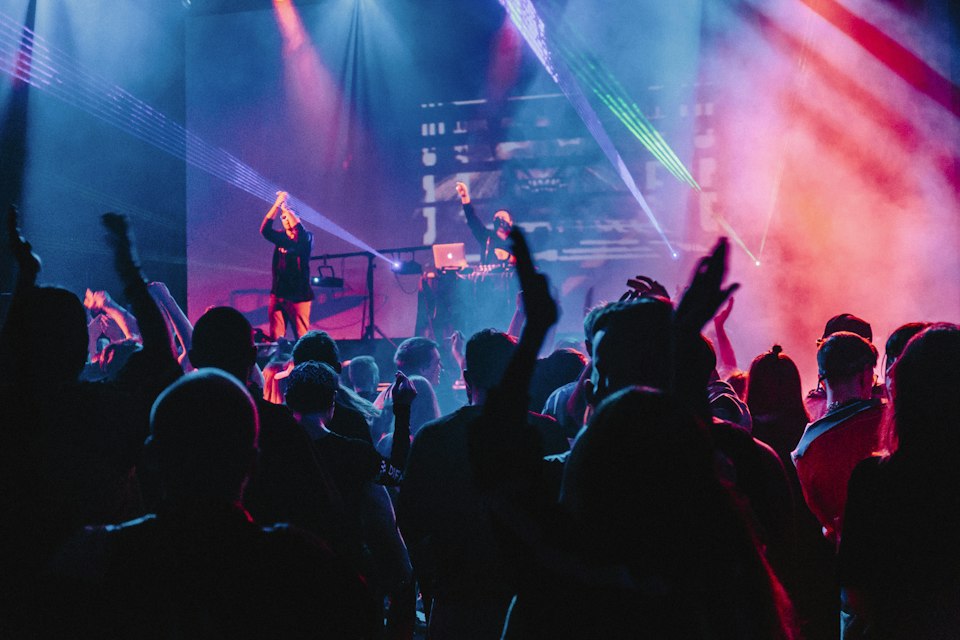
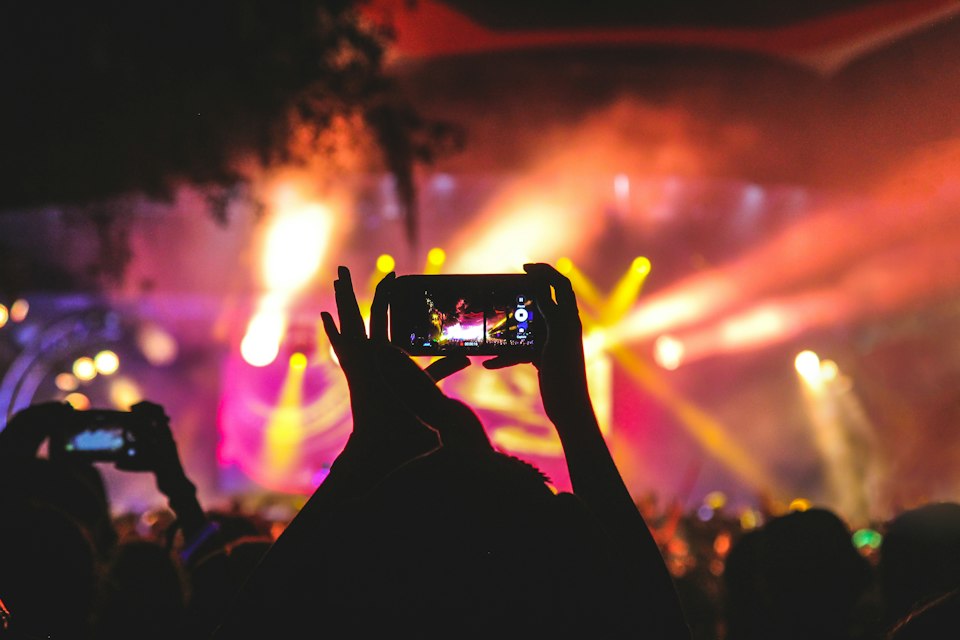
The contemporary music festival is a multi-sensory, highly curated experience. It's no longer just about seeing your favorite bands; it's about the entire environment. Art installations, gourmet food trucks, wellness workshops, and fashion have become integral parts of the package. Festivals now aim to create temporary, immersive worlds, often with distinct themes and aesthetics. They are designed to be shareable, with every corner offering a potential backdrop for social media content. This digital echo chamber amplifies their reach and appeal, transforming attendees into unwitting marketers.
Technology plays a crucial role, from cashless payment systems and RFID wristbands to elaborate stage productions and interactive art. The focus has shifted from mere attendance to active participation and documentation. This evolution has also led to an increased emphasis on safety and sustainability, with many festivals implementing initiatives to reduce their environmental footprint and ensure attendee well-being. For example, festivals like Glastonbury have robust green policies, encouraging reusable items and waste reduction. Event organizers now face immense pressure to deliver not just music, but a flawless, memorable, and safe experience.
Yet, for all the polish and commercialism, the core human desire for connection and shared experience remains. While the motivations might have broadened from purely countercultural ideals to include escapism, social media currency, and a love for specific genres, festivals still offer a unique space for collective effervescence. They are places where strangers dance together, where diverse communities momentarily merge, and where the boundaries of everyday life blur. As The Guardian observed on Woodstock's 50th anniversary, the original spirit of unity, however fleeting, still resonates.
So, what's next for the music festival? Will they continue their trajectory towards hyper-commercialized, luxury experiences, or will we see a resurgence of smaller, more intimate, and perhaps more ideologically driven gatherings? Perhaps the future holds a blend of both, with mega-festivals coexisting alongside niche, community-focused events. One thing is certain: the human need to gather, celebrate, and lose oneself in the rhythm of shared experience isn't going anywhere. The form it takes, however, will continue to reflect the ever-changing tides of our culture.