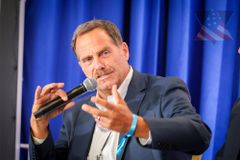

Last December, instead of waiting for a blockbuster pop album or a prestige television finale to dominate group chats and social media feeds, millions of fans stayed up for a stand-up set. The drop felt cinematic, meticulously orchestrated, and culturally unavoidable. It was treated not merely as a recording of a guy walking back and forth on a theater stage, but as a defining cultural event. We have officially entered an era where the stand-up comedy special functions as the modern equivalent of the classic album release.
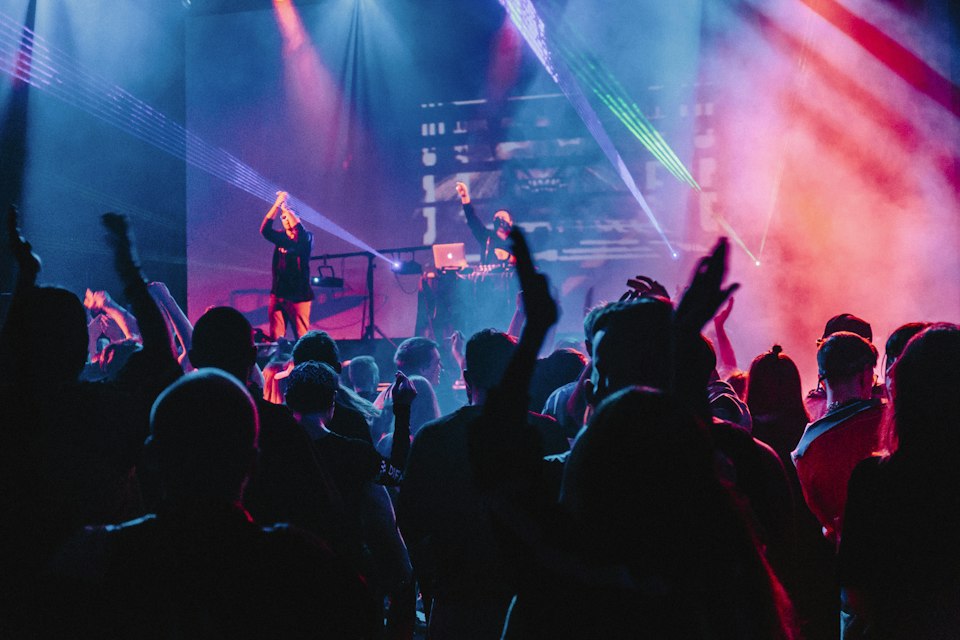
For decades, the music industry held a monopoly on the coordinated cultural moment. A major artist would announce a release date, build mysterious anticipation through cryptic billboard campaigns or social media blackouts, and then drop a full-length record that the entire world would dissect by morning. Today, that exact playbook has been successfully hijacked by comedians. Platforms like Netflix have realized that an elite comedy hour commands the same appointment-viewing urgency, fan loyalty, and social media discourse as a long-awaited musical comeback.
The Anatomy of a Global Drop
The mechanics of how we consume humor have fundamentally shifted alongside our distribution models. In the era of physical media, a comedy album was a niche purchase found in the back bins of record stores, usually picked up long after the material had been performed live for years. Today, a special is treated like a global premiere. Comedians spend two to three years road-testing material in tiny, sweaty clubs across the country, refining every beat and pause, before packaging it into a polished hour that lands simultaneously in 190 countries.
This meticulous cultivation mirrors how legacy artists used to treat album cycles. The touring phase is the gestation period, and the streaming debut is the worldwide premiere. Industry analysis by firms like McKinsey tracking modern digital consumption patterns frequently notes how niche hobbies and specialized media properties have scaled into mainstream juggernauts through algorithmic direct-to-consumer platforms. Comedy is chief among them. When a comic drops a special now, they are competing directly with Hollywood blockbusters and prestige television for our attention, backed by the kind of heavy marketing blitz once reserved for pop royalty.
Turning Laughter Into Legacy and Merchandise
An album release has never been just about the audio; it is an entry point to a lifestyle, spawning merchandise, concert tours, and cultural catchphrases. Stand-up specials now achieve the exact same commercial flywheel effect. A single breakout hour can instantly sell out arenas globally, turning a working comic into a stadium-filling arena headliner overnight. The special acts as both the commercial and the artistic peak of an extensive creative cycle.
Cultural reporting from outlets like BBC frequently highlights how digital-first distribution is flattening traditional geographic barriers for performance art, allowing comedians from non-traditional markets to find massive, engaged global fandoms instantly. Fans do not just watch a special once and move on; they quote it, stitch reactions to it on social media, and treat its framing of contemporary life as a shared generational language. The special becomes a cultural artifact, much like a vinyl record that defined a specific summer or year in our collective memory.
Why We Crave Unfiltered Voices
Perhaps the reason comedy specials carry the weight of major album drops is our collective exhaustion with over-produced, focus-grouped media. An album offers the unfiltered perspective of an artist through song; a stand-up special offers it through raw, face-to-face social critique. In a media landscape dominated by corporate algorithms and sanitized PR messaging, a comic standing alone under a spotlight with a microphone feels refreshingly dangerous and immediate.
As long as audiences continue to seek out authentic, unfiltered commentary on the absurdity of modern life, the comedy special will retain its throne as the premier cultural drop. It proves that sometimes the most potent art form is simply one person, a microphone, and the courage to say out loud what everyone else is only thinking.