

In an age where virtually every song ever recorded is accessible instantly, on-demand, and often for free, one might expect the live music experience to be a quaint relic. Yet, the opposite is true. Concerts, festivals, and intimate club gigs are not just surviving; they’re flourishing, drawing larger crowds and generating more revenue than ever before. It’s a fascinating paradox: the more ubiquitous recorded music becomes, the more we crave the ephemeral, unrepeatable magic of seeing it performed live. Why, when we have unlimited musical choice at our fingertips, do we still queue for hours, pay premium prices, and brave crowded venues?
Consider the sheer volume of music available. A quick search on Spotify or Apple Music reveals millions of tracks, a seemingly infinite library. This digital abundance, far from satiating our appetite for live performance, seems to have whetted it. Perhaps it's because streaming has democratized discovery, allowing niche artists to find global audiences and established acts to maintain relevance across generations. This broadened exposure translates directly into a larger, more diverse potential audience for live shows. The internet might introduce us to a band, but it's the live show that truly converts us into devoted fans.
The Irreplaceable Human Connection
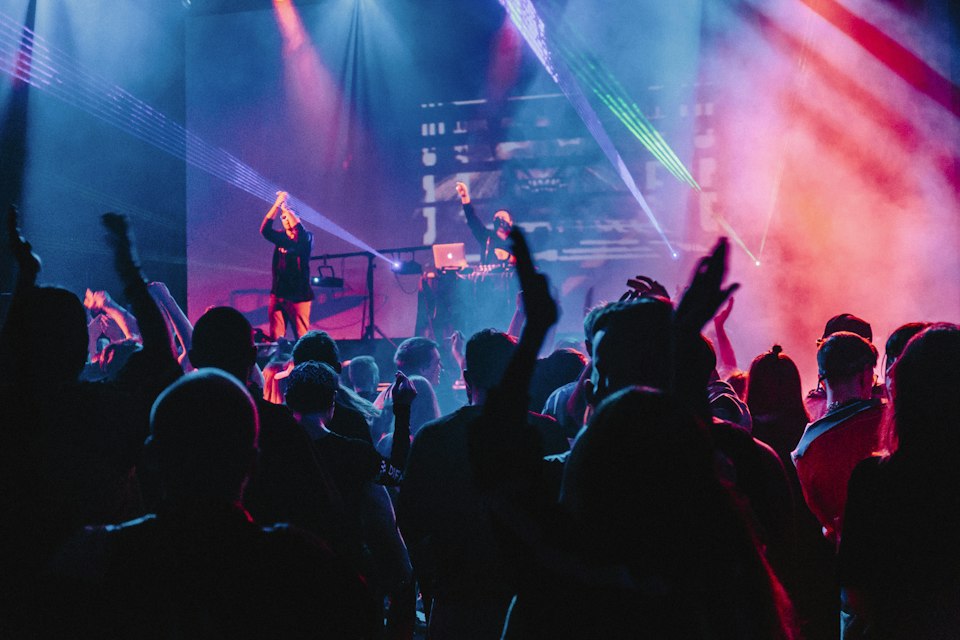
Streaming offers convenience, but it inherently lacks the human element. There’s no eye contact with the lead singer, no shared gasp when a guitar solo hits its peak, no collective roar of approval. Live music, by its very nature, is a communal experience. It’s about sharing space, energy, and emotion with hundreds, thousands, or even tens of thousands of strangers who are all there for the same reason. This shared vulnerability and exhilaration forge a powerful, albeit temporary, bond. It’s a primal gathering, a modern-day campfire where stories are told through melody and rhythm.
I recall standing in a packed club, the bass vibrating through the floorboards, watching an independent band I’d discovered on Bandcamp. The raw energy, the imperfections, the sheer joy radiating from the stage – it was intoxicating. That night, I wasn't just listening to music; I was part of an event, a moment that couldn't be paused, rewound, or skipped. This sense of being 'in the moment' is increasingly precious in our hyper-connected, constantly-distracted lives. A report by McKinsey highlighted the growing consumer demand for experiences over possessions, and live music perfectly encapsulates that shift.
Authenticity and the Anti-Algorithm Appeal
In an era dominated by algorithms curating our feeds and playlists, live music offers an antidote: raw, unmediated authenticity. While studio recordings are meticulously polished, live performances embrace the spontaneous. A forgotten lyric, an improvised riff, a direct address to the audience – these are the moments that make each show unique and memorable. Artists often use the live stage to experiment, to present their work in new arrangements, or to connect with their audience on a deeply personal level, sharing stories behind their songs. This isn’t just about hearing the music; it’s about witnessing the creative process unfold in real-time.
Furthermore, the live experience often feels more 'real' than the carefully curated digital personas artists present online. It's a chance to see them as performers, not just as avatars on a screen. This authenticity fosters a deeper connection between artist and fan, transforming a casual listener into a dedicated follower. It's a testament to the power of human expression that even with perfect digital copies available, we still yearn for the imperfect, vibrant original.
The Festival Phenomenon: More Than Just Music
Music festivals, in particular, have exploded in popularity, evolving into multi-day cultural events that offer far more than just a lineup of bands. From Coachella to Glastonbury, these gatherings combine music with art installations, culinary experiences, fashion, and a strong sense of community. They are curated escapisms, temporary utopias where attendees can immerse themselves in a different reality. The anticipation, the journey, the shared adventure with friends – these elements contribute to an overall experience that streaming simply cannot replicate. A recent article from Wired explored how these festivals have become significant cultural touchstones, reflecting broader societal trends.
For many, festivals are annual pilgrimages, a chance to disconnect from daily routines and reconnect with a sense of freedom and belonging. They are social hubs where new friendships are forged and old ones are celebrated, all against a backdrop of incredible music. The sheer scale and ambition of modern festivals demonstrate a profound human need for collective celebration and sensory overload that transcends mere audio consumption. It's a testament to our innate desire for shared ritual and spectacle.
The business model of the music industry has also shifted significantly. With streaming revenue often being a fraction of what physical sales once generated, live performance has become a critical income stream for artists. This economic reality further incentivizes touring and engaging with fans in person, creating a virtuous cycle where more live shows lead to more fan engagement, which in turn fuels more demand for live experiences. This symbiotic relationship between artists and their audiences, facilitated by the accessibility of streaming and solidified by the power of live performance, ensures that the stage will remain a vital platform for musical expression.
So, what does this enduring popularity of live music tell us about ourselves? Perhaps it’s a quiet rebellion against the increasingly digitized, isolated nature of modern life. It’s a reminder that some experiences are best shared, that human connection is irreplaceable, and that the raw, unfiltered energy of a live performance can stir something within us that no algorithm ever could. As technology continues to advance, the stage, with its vibrant lights and thumping bass, will likely remain our most cherished space for collective joy and musical communion, a timeless testament to the power of shared human experience. The future of music, it seems, will always have a live beat.







.jpg)