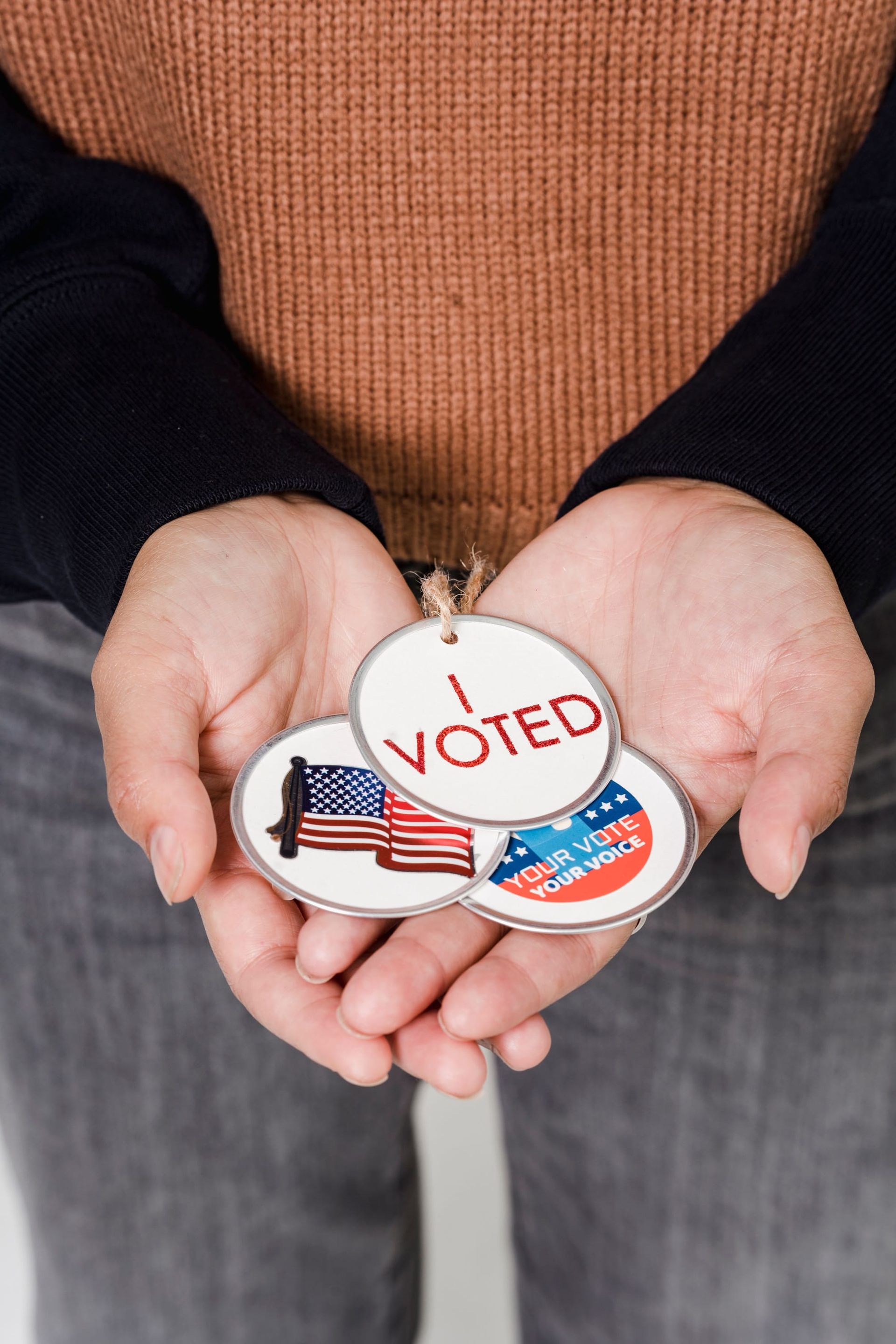
Anthropic says its Claude chatbot will begin incorporating state-specific voting information from the nonprofit Democracy Works later in October, ahead of the 2026 U.S. midterm elections. In an October 14 election-readiness update, the company also said it plans to display current election results inside Claude conversations on election night and afterward. The new answer features were announced, not confirmed as already available to every user.
The Claude voting information plan addresses a practical problem with AI-generated civic information: an answer about polling locations, registration rules or voter identification is only useful if it reflects the rules for the right jurisdiction and the latest official guidance. Anthropic's plan is to draw on information that Democracy Works gathers from state and local election sources. It is not a replacement for an election office's own instructions.
How Claude voting information is changing
Anthropic already uses a banner that directs people asking about registration, polling places or election dates to TurboVote, a nonpartisan voting-information service from Democracy Works. The newly announced step goes further. Instead of only pointing users to another site, Claude is expected to draw official voting details into a response, including where to vote or what identification a voter may need to bring.
Anthropic says that integration will begin later this month for users in the United States. The company also says it will display up-to-date results on election night and in the following days. It has not provided a precise rollout day in the announcement, and users should not assume every answer or every race will be covered at launch.
The distinction between a link and an integrated answer is important. A banner gives a reader an obvious route to a specialist service. An answer inside a chatbot may be more convenient, but it adds another step in which information can be summarized incorrectly, stripped of conditions or presented without enough context. The source and its last update still matter.
Why the state and local source matters
U.S. election administration is decentralized. Registration deadlines, polling arrangements, identification rules and voting methods can differ by state and sometimes by locality. The U.S. Election Assistance Commission advises voters to consult their local election office for practical details, and its resources provide paths to state election information.
Democracy Works operates TurboVote and publishes voter guidance. Its September update on multilingual TurboVote guidance describes tools for election guides, sample ballots and polling-place information. Anthropic says the new Claude responses will use publicly available information Democracy Works collects from state and local election sources.
That design could help users ask a natural-language question without first knowing which government website to search. But it should not be confused with a government guarantee that a chatbot's response is current. When the answer affects whether someone can cast a ballot, the sensible final check remains the relevant state or local election authority.
Anthropic's figures show the limits of its own sample
The company also published an analysis of 250,000 U.S. Claude.ai consumer conversations sampled from September 21 through 27, 2026. It says roughly 5.75% touched broadly on politics, policy or social issues, while about 0.51% specifically concerned elections or voting. Requests asking whom or what to vote for appeared in about 0.01% of U.S. Claude conversations, according to its analysis.
Those percentages describe conversations in Anthropic's consumer product during one sampled week. They are not measures of all Americans, all chatbot use or the political views of Claude users. Anthropic says it used privacy-preserving methods, but the figures are still company-reported analysis rather than an independently replicated survey of the electorate.
The difference between broad political conversation and election-specific requests is worth preserving. A discussion about public policy is not automatically a request for voting instructions or political persuasion. Lumping those categories together would make the product's election role look larger than the disclosed data supports.
What Anthropic says about election misuse
The announcement goes beyond voter information. Anthropic says its usage rules prohibit efforts to deceive voters, impersonate election officials or suppress turnout. It describes tests with outside organizations that examined whether Claude would assist with deceptive campaigning and misinformation.
According to Anthropic, the testing found that the model could refuse an overtly harmful request yet fail to recognize the same harmful campaign when it was divided into smaller, apparently routine tasks. The company says it has added detection measures aimed at multi-step misuse and fake political accounts or news sites. These are claims about its controls, not proof that every coordinated attempt will be detected.
That distinction connects with Unhyd's earlier examination of Anthropic's threat-intelligence report, which described the company's accounts of disrupted influence operations and other harmful activity. The October 14 update is a new election-specific policy and product development, not a new disclosure of the same September report.
It also echoes a broader evaluation challenge: a model may pass a simple safety test while failing when a risky goal is disguised as a series of normal tasks. Unhyd's guide to testing AI agents explains why reviewers need to inspect the path to an outcome, not just the final answer. That principle is relevant to the election-abuse testing Anthropic describes, even though the announced voter-information feature is not itself an autonomous agent.
What voters should do now
The most immediate practical step is to verify any chatbot-provided deadline, identification rule or polling location against an official election office before relying on it. If Claude displays a Democracy Works-derived answer, readers should look for the underlying jurisdiction and source, especially if they have recently moved, changed registration details or plan to vote early or by mail.
Reuters independently reported the planned integration following Anthropic's announcement. The next test is operational: whether the promised answers arrive on schedule, show their source clearly and remain accurate when election offices change instructions. Convenience may bring more people to civic information; reliability will determine whether the feature deserves their trust.