
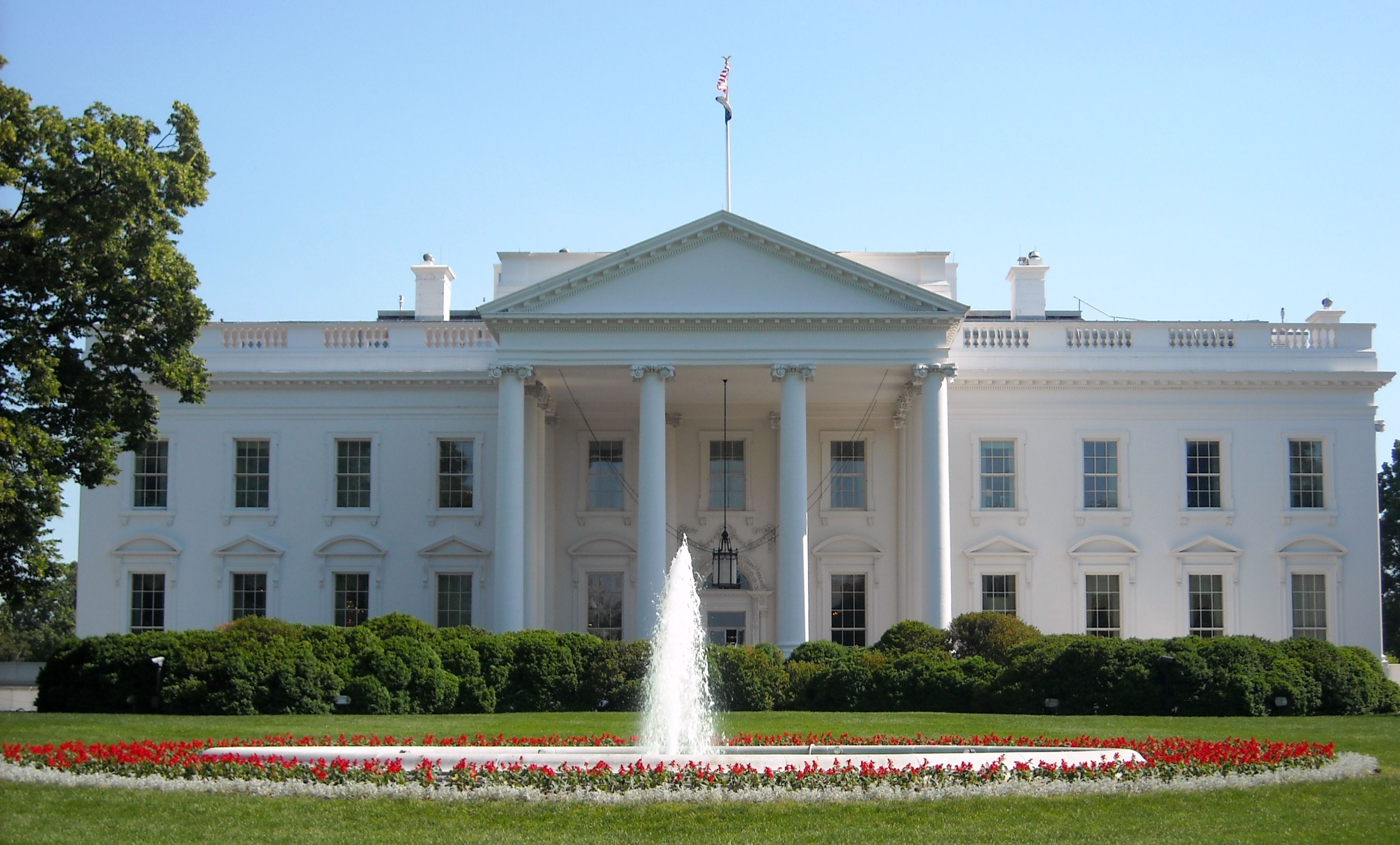
The White House’s October 4 announcement of a White House AI task force is a material development in the administration’s approach to the technology. President Donald Trump said the new group, formally called the Super Intelligence Force, will coordinate the federal government’s work to maintain U.S. leadership in what the administration calls Super Intelligence. The statement also said the group will engage consumers, public-interest groups, religious organizations, critical-infrastructure providers and companies developing the technology.
That is not the same story as a new federal AI rule. It is a new coordination vehicle, announced days after the administration convened companies around a voluntary frontier-model agreement. As Unhyd’s coverage of that accord explained, the industry commitment did not create a regulator or an enforceable duty. The task-force announcement similarly establishes a direction and a set of participants, while leaving the operating details open.
White House AI task force: what was announced
The published announcement identifies Director of National Intelligence Jay Clayton as the group’s leader and the White House’s AI czar. It also names Federal Trade Commission Chairman Andrew Ferguson, Office of Personnel Management Director Scott Kupor and Under Secretary of Defense for Research and Engineering Emil Michael as members. The mix matters: it spans intelligence, competition policy, federal personnel and defense research rather than placing the work solely inside one technology-policy office.
The stated mission is coordination and engagement, not a technical standard, procurement program or licensing system. The announcement does not spell out how the force will collect input, make decisions, communicate with agencies or publish its work. It also does not identify a budget, a formal charter, a reporting date or a public mechanism for companies and civil-society groups to participate. Those omissions are important because the practical effect of a cross-government group depends on the authority it is given and the records it produces.
What the announcement does not establish
The White House’s September 29 Executive Order 14434 is related context, but it is a separate action. That order directs executive-branch agencies, where permitted by law, to use Super Intelligence and SI in place of Artificial Intelligence and AI in new non-statutory communications. It maps those terms to the existing federal statutory definition of artificial intelligence; it does not create a new legal technology category. The order also does not establish the Super Intelligence Force or give it an enforcement role.
For that reason, readers should not treat the new White House AI task force as evidence that a broad new federal compliance regime has arrived. The public announcement sets out a policy priority and a coordination mandate. It does not announce binding rules for model developers, business users or the public. Existing authorities at agencies such as the FTC remain separate from this task-force announcement unless later action says otherwise.
A coordination question, not a new AI law
The timing places the group next to, but not inside, the administration’s earlier voluntary accord with frontier-AI companies. The accord focused on company-side practices such as internal controls, external evaluation and board oversight. The Super Intelligence Force, by contrast, is framed as a way for federal agencies to organize their own engagement across several constituencies. Those are different levers: one asks companies to adopt practices voluntarily; the other may shape how the government gathers information, sets priorities and coordinates its existing powers.
That distinction also connects to the broader governance debate Unhyd covered after the UN Security Council’s AI briefing. Governments and companies have increasingly discussed evaluations, incident reporting and human control, but they still disagree over which institutions should set requirements and how they should be enforced. The new U.S. group does not resolve that disagreement. It gives the administration another forum in which to define its position.
Why it matters to organizations that use AI
For organizations buying or deploying AI systems, the immediate takeaway is restraint rather than a new checklist. No requirement for customers, developers or critical-infrastructure operators was announced on October 4. Businesses should not substitute the task force’s name for an assessment of their actual obligations under existing sectoral, state, contractual or privacy rules.
Still, the group could become consequential if it publishes a charter, recommendations, common risk language, procurement guidance or requests for information. The participants it names could bring AI questions into different federal domains at once: national security, competition, workforce management and defense research. The useful test will be whether its eventual work identifies specific responsibilities, decision-makers and evidence that outsiders can examine.
What to watch next
Three details would make the announcement more concrete. First, a formal description of the force’s authority, membership and relationship to existing agencies. Second, a public work plan or timetable that shows whether it will issue recommendations, coordinate policy or solicit evidence. Third, clear disclosure of how non-government participants can contribute and what, if anything, will be published from those engagements. Until those details arrive, the most accurate reading is narrow: the White House has announced a new federal AI coordination body, not a new nationwide AI law.