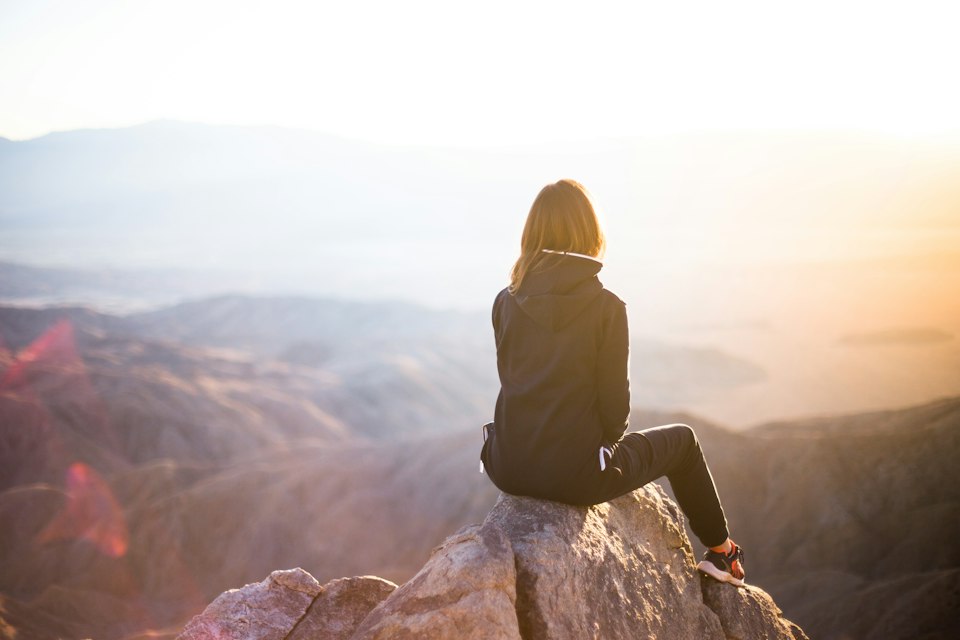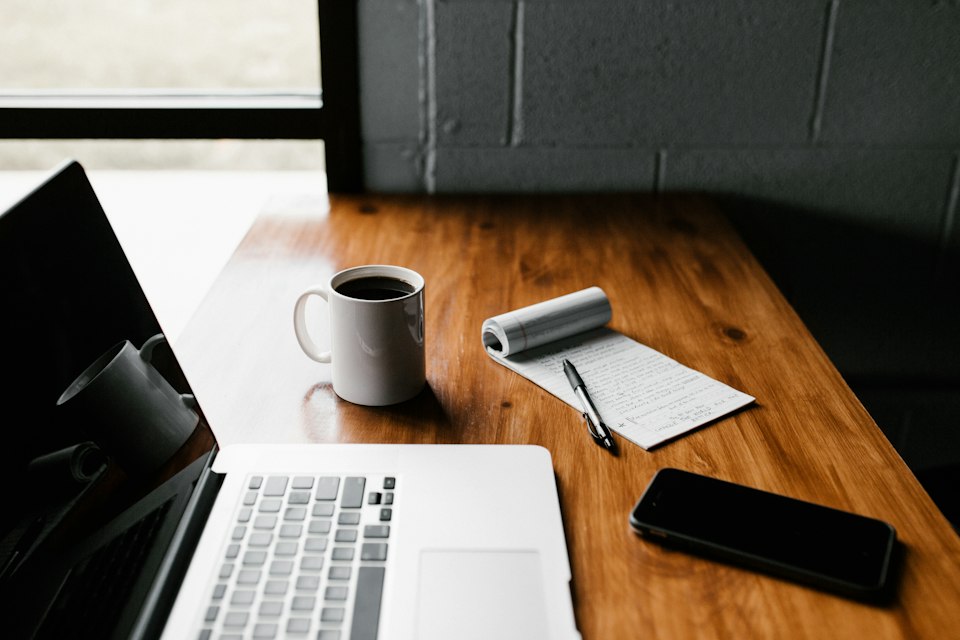

It’s a peculiar modern phenomenon: the long weekend, that coveted extra day off, often arrives with a hidden pressure. Instead of a sigh of relief, we sometimes feel a subtle anxiety to “make the most of it,” leading to itineraries packed tighter than a sardine can. We plan elaborate trips, commit to multiple social engagements, and tackle ambitious home projects, only to return to work on Tuesday feeling more exhausted than when we left. This isn't just an anecdotal observation; research from Harvard Business Review suggests that the benefits of time off are often undermined by stress around planning and the pressure to achieve a 'perfect' break.
The irony is, the very purpose of a long weekend is to recharge, to step away from the relentless march of deadlines and obligations. But by treating it like another project to be optimized, we inadvertently strip it of its restorative power. I’ve certainly fallen into this trap myself, once attempting to drive five hours, attend a wedding, visit two sets of relatives, and deep-clean my garage all within a single three-day stretch. The result? A Monday evening spent staring blankly at the wall, wondering if I’d actually had a break at all. There’s a better way, one that embraces spontaneity, prioritizes genuine rest, and leaves room for the unexpected joys that only unstructured time can bring.
Reclaiming the White Space: Why Less is More
Our daily lives are often dictated by schedules, alarms, and to-do lists. The allure of the long weekend, then, should be its stark contrast: a canvas of white space. Yet, we often rush to fill it. Think about it: when was the last time you truly woke up without an alarm, lingered over your morning coffee, and then simply decided what felt good to do next, rather than consulting a pre-planned itinerary? This isn't about doing nothing; it's about doing what feels right, in the moment, without external pressure.
This philosophy aligns with the concept of 'slow living,' which advocates for a more mindful approach to daily activities. Instead of rushing through a museum, you might spend an hour contemplating a single painting. Instead of a whirlwind tour of a new city, you might pick one neighborhood to explore deeply. The goal is depth over breadth. When you commit to fewer things, you automatically create more room for enjoyment, reflection, and serendipity. It allows for the quiet moments that truly replenish – a spontaneous walk in the park, an unplanned conversation with a neighbor, or simply losing yourself in a good book.
The Power of the 'No-Plan' Plan
While the idea of a completely unscheduled weekend might sound daunting, especially for those of us accustomed to meticulous planning, it doesn't mean a total absence of intention. Instead, it’s about setting broad intentions rather than rigid schedules. For instance, your 'no-plan' plan might look like this: “This weekend, I want to feel rested, connect with nature, and cook a delicious meal.” How you achieve those things is left open to interpretation, allowing for flexibility as the weekend unfolds.
Consider blocking out one or two key activities that genuinely bring you joy and relaxation, and then leave the rest open. Perhaps it’s a hike you’ve been wanting to take, or a long brunch with a friend you haven’t seen in a while. The key is to limit these anchor activities so they don’t dominate your entire weekend. This approach is supported by psychological research on leisure, which suggests that high-quality leisure experiences are often characterized by a sense of autonomy and intrinsic motivation – doing things because you want to, not because you feel you should. A Psychology Today delves into the science of leisure, emphasizing the importance of choosing activities that genuinely fulfill us.
Practical Steps for Unscheduled Bliss
So, how do you actually implement this 'no-plan' plan? It starts with a shift in mindset and a few practical adjustments:
- Define Your Core Needs: Before the weekend begins, ask yourself: What do I *really* need from these extra days? Is it sleep? Creative time? Social connection? Solitude? Knowing this helps you prioritize without over-scheduling.
- Delegate or Postpone: If there are chores or obligations looming, see what can be done before the weekend, or pushed to the following week. The goal is to minimize the sense of 'catch-up' during your precious time off.
- Embrace the 'Maybe': Instead of firm commitments, use phrases like “Maybe we could…” or “I’m open to…” This keeps options open and reduces pressure. If a friend suggests an outing, you can genuinely say, “Let me see how I feel on Saturday morning.”
- Digital Detox (Even a Mini One): Our phones are notorious for pulling us into external demands. Try setting specific times to check emails or social media, or even designate a few hours each day as phone-free. The World Health Organization has increasingly highlighted the impacts of digital overload on mental well-being.
- Prepare for Spontaneity: Keep a few easy, low-effort options in mind. A picnic blanket and a good book, walking shoes, a list of local parks or quiet cafes. These aren't plans, but rather ingredients for spontaneous enjoyment.
- Resist the Urge to Document Everything: While sharing experiences can be lovely, constantly taking photos or updating social media can pull you out of the present moment. Allow yourself to simply *experience* the weekend without the pressure of curating it for an audience.
Ultimately, the aim is to create a buffer, a breathing room in your life that allows for genuine restoration. It’s about listening to your body and mind, rather than a calendar app. It’s about remembering that rest isn't a reward for productivity, but a vital component of well-being, and often, the most productive thing you can do for yourself.
As we navigate an increasingly demanding world, the ability to truly disengage and recharge becomes not just a luxury, but a necessity. A long weekend, when approached with intention and a healthy dose of unscheduled bliss, offers a unique opportunity to practice this art. By stepping back from the relentless pursuit of 'making the most' of every minute, we might just discover that the most profound experiences are found in the quiet spaces, the unplanned detours, and the simple joy of doing exactly what feels right, right now. What will you leave unscheduled this coming long weekend?