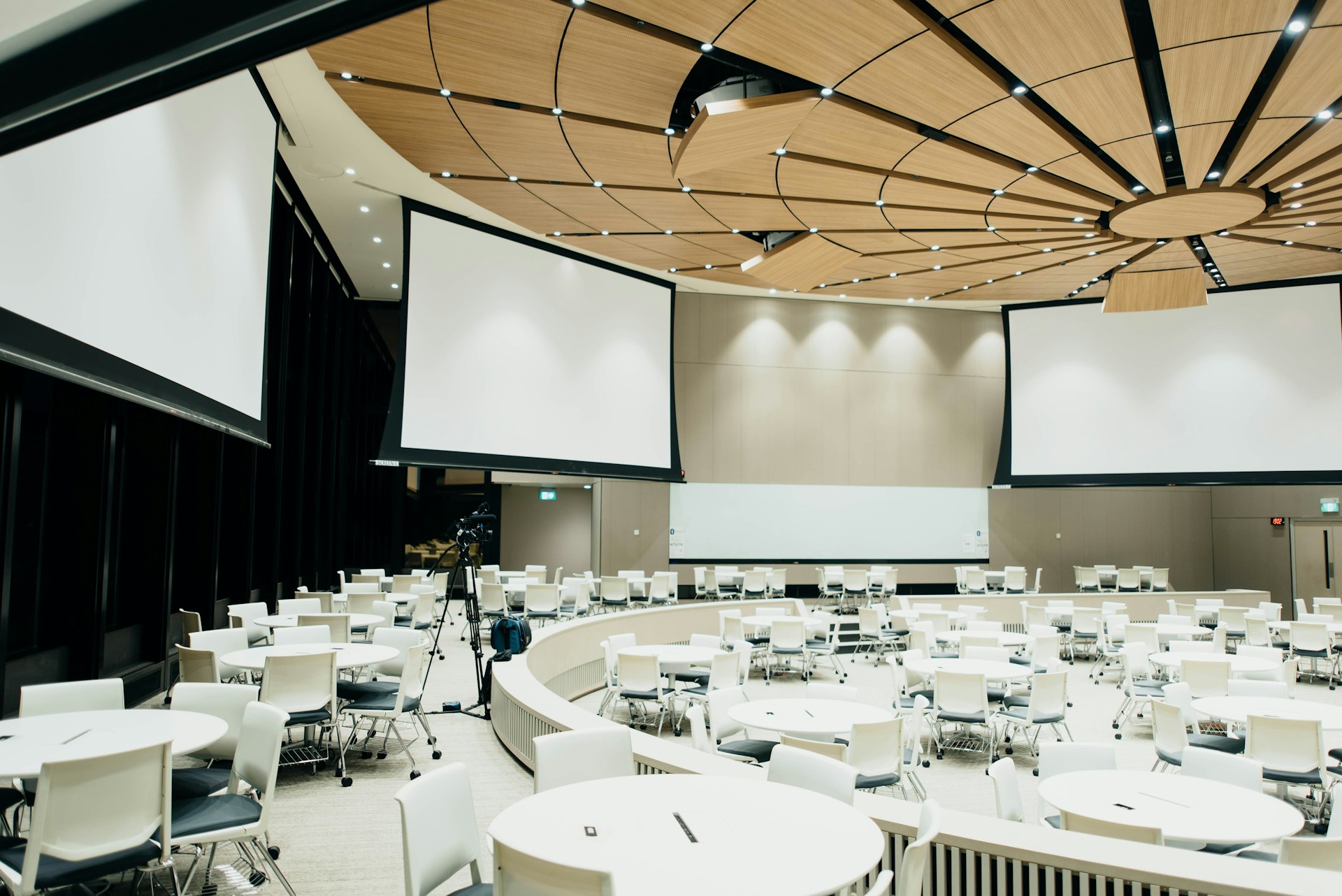
You are standing in a convention center hallway that smells faintly of stale conference coffee and industrial carpet cleaner, clutching a paper plate with a lukewarm pastry, wondering why you spent two grand on a ticket to listen to someone read a PowerPoint deck you could have skimmed on a flight. We have all been there. Conferences have a unique way of promising world-changing epiphanies while frequently delivering little more than swollen feet, a dead phone battery, and an inbox overflowing with unread newsletters from people you exchanged badges with.
Yet, despite the fatigue and the sensory overload, large-scale gatherings remain one of the few places where serendipity can be systematically engineered. When approached with intention rather than passive obligation, a multi-day industry summit can accelerate your professional trajectory in ways that months of remote Zoom calls never could. According to insights shared by industry analysts at McKinsey, the human element of industry collaboration continues to drive major shifts in corporate innovation and strategy.
Treating the Schedule Like a Menu, Not a Mandate
The single biggest mistake people make upon arriving at a major industry event is treating the official schedule like a strict school syllabus. You feel a compulsive need to sprint from the 9:00 AM keynote in the main arena to a 10:30 AM breakout room on the third floor, terrified that missing a single slide will leave you behind your peers. This is a fast track to burnout by mid-afternoon.
Instead, look at the agenda the way you would a high-end tasting menu: pick two or three items that genuinely challenge your worldview or offer hard, actionable tactical insights, and skip the rest. Some of the most valuable moments at any gathering happen in the empty spaces between scheduled events—overheard hallway conversations, deep debates in the coffee lounge, or impromptu lunches with people you just met. Research highlighted by Wired often emphasizes how physical proximity and informal environments spark creative breakthroughs that structured meetings stifle.
Crafting Conversations That Go Beyond the Elevator Pitch
If you introduce yourself by reciting a rehearsed thirty-second elevator pitch, you instantly trigger the other person's professional defense mechanisms. You become just another salesperson or job seeker trying to extract something from them. The secret to memorable networking is curiosity, not salesmanship.
Ask people about the specific operational problems keeping them awake at night rather than what their title is. If someone tells you they lead product development, don't ask about their roadmap; ask what surprised them most about user behavior over the past six months. By shifting the dynamic from a status exchange to a shared intellectual puzzle, you create an instant bond. For a broader perspective on how changing workplace dynamics influence how professionals connect, publications like BBC regularly explore the evolving nature of modern work culture and professional gatherings.
Building a Post-Event Ecosystem That Lasts
The true test of a successful conference isn't how many business cards or LinkedIn connections you accumulate by Thursday evening; it is what happens on the following Tuesday morning. Most digital connections rot in a database, never to be spoken to again.
To avoid this, triage your new contacts within forty-eight hours of returning home. Send a short, specific message to the five people who genuinely impacted your thinking. Reference a specific point from your conversation—a book they recommended, a challenge they mentioned, or an idea you debated—and share a relevant article or tool that might help them. By transforming a fleeting conference acquaintance into an ongoing exchange, you turn a three-day expense into a multi-year professional relationship. The next time you find yourself packing a bag for an industry summit, remember that you are not there to collect information; you are there to cultivate perspective.