
When a room full of strangers falls completely silent before erupting into simultaneous, cathartic laughter, something profound has just happened. It is not merely a reaction to a well-crafted punchline; it is a collective release of tension, a shared recognition of an absurdity we have all witnessed but rarely dared to name out loud. Over the past decade, as traditional media institutions have grown increasingly timid or fractured by hyper-partizan echo chambers, stand-up comedy has quietly filled the void. What used to be dismissed as mere diversion between drinks has mutated into our most reliable cultural radar, picking up frequencies that standard journalism and political discourse often fail to register.
The Disarming Power of the Punchline
There is a unique alchemy to humor that allows it to bypass our psychological defenses. If you approach someone on the street and list their community's deepest hypocrisies or systemic failings, you will likely be met with an immediate, defensive wall. But wrap that exact same critique in a self-deprecating anecdote or a sharp observational bit, and the dynamic flips entirely. People will nod, chuckle, and internalize a truth they would otherwise reject. This phenomenon has drawn the attention of researchers studying rhetoric and public persuasion, with insights often discussed in outlets like The Atlantic, noting how comedy disarms tribal instincts.
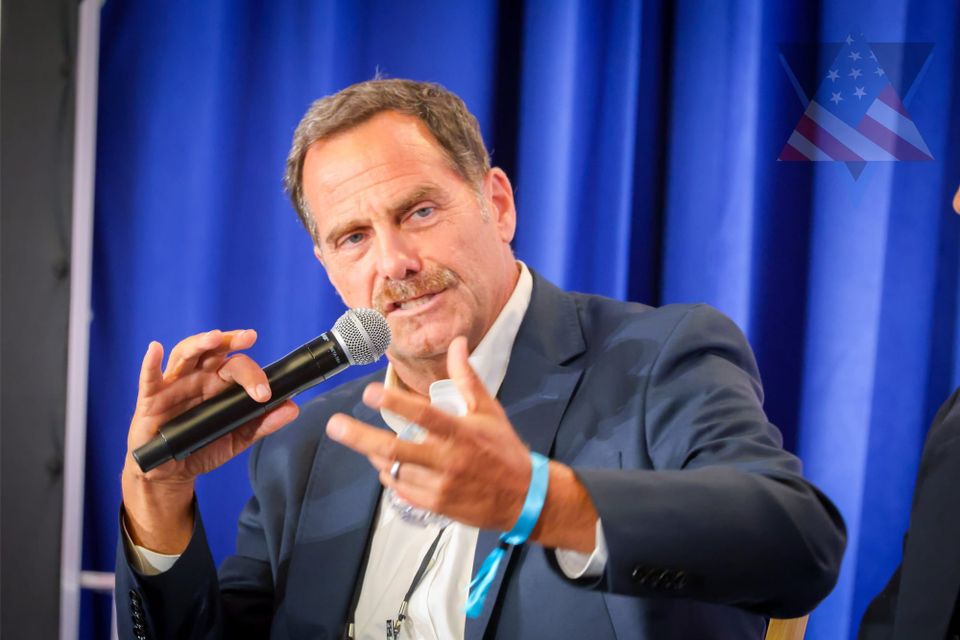
Comedians operate under a different social contract than pundits or politicians. They are explicitly granted a license to say the quiet part out loud. When a performer steps onto a dimly lit stage with nothing more than a microphone, they are inviting the audience into an unspoken conspiracy: We all know the world is completely broken, so let's examine the wreckage together. This raw vulnerability creates an intimacy that television news anchors, reading from teleprompters behind polished desks, can rarely replicate. It is this grassroots authenticity that has elevated stand-up from the smoky basement clubs of the twentieth century into the intellectual vanguard of the twenty-first.
Navigating the Landmines of Modern Discourse
Of course, this elevated cultural status has not come without friction. As comedy has taken on the heavy lifting of social critique, it has inevitably attracted intense scrutiny. Every joke touching on identity, politics, or institutional power is now analyzed through a magnifying glass, dissected on social media platforms, and debated endlessly across digital columns. This climate has forced comedians to evolve, sharpening their material to survive in a cultural landscape where nuance is frequently flattened.
Yet, this pressure test has arguably made the art form stronger. The best comics do not shy away from the friction; they lean directly into it, exposing the contradictions of our hyper-sensitive, hyper-connected era. Cultural analysis institutions and publications such as The Guardian frequently document how contemporary performers manage to push boundaries without alienating audiences who crave intelligence alongside their entertainment. Rather than retreating into safe territory, brilliant satirists use the tension itself as source material, holding up a mirror to a society that is constantly trying to figure out what it is allowed to find funny.
The Global Echo Chamber and the Local Stage
We live in an era where global algorithms dictate what we see, read, and think, flattening regional cultures into homogenized digital content. Stand-up comedy remains one of the few stubborn holdouts against this tide. A comic in London, Lagos, or Melbourne must connect with the immediate, visceral reality of the human beings sitting thirty feet away from them. They have to read the room, adapt to local rhythms, and address the specific absurdities of their immediate environment.
This localized grounding is precisely what gives comedy its universal resonance. By digging deeply into the particular, great humor stumbles upon the universal truths of human nature. Sociological research published or reviewed by outlets like BBC often highlights how shared cultural touchstones, even satirical ones, bind diverse populations together during times of widespread uncertainty. When millions of people around the world laugh at the same comedy special addressing burnout, institutional incompetence, or modern dating fatigue, they are participating in a massive, decentralised therapy session.
Ultimately, comedy's rise as a premier form of social commentary is a symptom of our collective need for honesty. When institutions lose our trust and political discourse becomes a performance of certainty, we turn to the people whose entire job is to admit they don't have the answers—they just notice the absurdity. As we look ahead, the comedians keeping us honest will remain essential arbiters of our cultural sanity, reminding us that if we cannot laugh at the mess we have created, we certainly cannot hope to fix it.