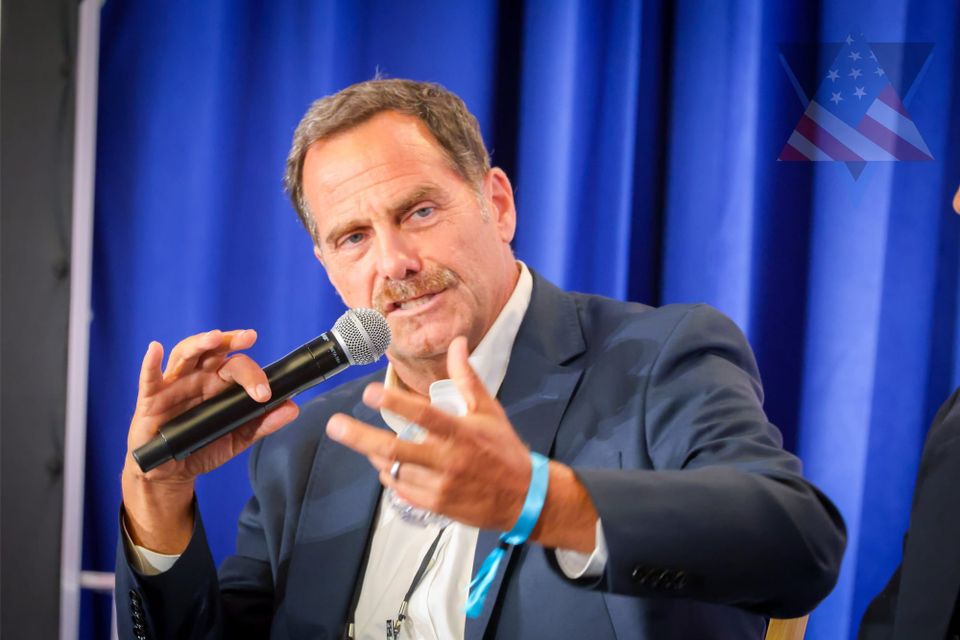

In an era where digital noise often drowns out genuine connection, it might seem counterintuitive to suggest that the most potent tool for accelerating your company’s go-to-market (GTM) strategy is something as old-fashioned as an event. Yet, I’ve seen it time and again: a well-executed event can slice through months of cold calls and email campaigns, delivering qualified leads and invaluable market insights in a matter of days. While the digital landscape offers unparalleled reach, it often lacks the visceral impact and trust-building potential that only face-to-face (or even well-orchestrated virtual) interactions can provide. Think of it this way: how many times have you truly felt a brand's ethos through a LinkedIn ad versus a direct conversation with one of their passionate team members?
My own experience, from attending sprawling industry conferences to intimate product demos, confirms this. There's a certain energy that permeates a room when people are gathered with a shared purpose, whether it's learning about a new technology or celebrating a milestone. This energy isn't just about networking; it's about building relationships, fostering trust, and creating a memorable experience that differentiates your offering from the countless others vying for attention. It's about transforming abstract concepts into tangible interactions, and that, I believe, is the true magic of events in a GTM context.
Beyond the Booth: Strategic Event Design for Impact
The first mistake many companies make is viewing events merely as a place to set up a booth and hand out swag. While brand visibility is a component, a truly effective event strategy for GTM demands a much deeper, more intentional approach. It starts with understanding your specific GTM objectives. Are you aiming for brand awareness in a new market? Are you looking to generate high-quality leads for a nascent product? Or perhaps you need to gather critical feedback from early adopters? Each objective calls for a different type of event and a tailored execution plan.
Consider the story of a B2B SaaS company I followed, launching an AI-powered analytics platform. Instead of just attending a large tech expo, they hosted a series of exclusive, invite-only workshops in key cities. These weren't sales pitches; they were collaborative sessions where potential clients brought their own data challenges, and the company's engineers demonstrated how the platform could solve them in real-time. This hands-on approach allowed prospects to experience the value directly, fostering a sense of co-creation rather than passive consumption. The result? A significantly higher conversion rate from attendee to pilot program participant, drastically shortening their sales cycle. This isn't just about showing up; it's about creating an experience that directly addresses your target audience's pain points and showcases your solution's unique value proposition.
Another example comes from the consumer electronics space. When launching a new smart home device, one company decided to partner with local interior design firms for small, intimate