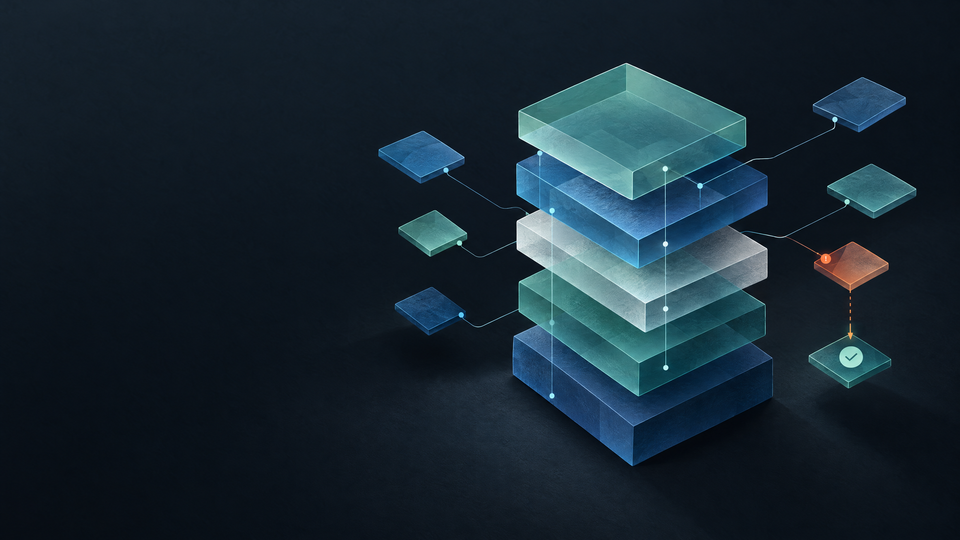

Imagine a factory floor where every machine, every product, and even the entire production line has a living, breathing digital counterpart. This isn't science fiction; it's the reality being forged by digital twin technology, and it's fundamentally changing how goods are made. These virtual replicas, continuously updated with real-time data, offer an unprecedented level of insight and control, moving manufacturing beyond reactive problem-solving to proactive optimization.
For decades, manufacturers have grappled with the inherent disconnect between the physical world of their operations and the digital realm of design and planning. Breakdowns were often unexpected, quality control a post-production check, and process improvements a costly trial-and-error endeavor. Digital twins bridge this gap, creating a dynamic, two-way flow of information that allows companies to simulate, analyze, and predict the behavior of their physical assets with remarkable accuracy. The global digital twin market in manufacturing is projected to surge from USD 3.6 billion in 2024 to approximately USD 42.6 billion by 2034, reflecting an impressive compound annual growth rate (CAGR) of 28.1% during this period. This explosive growth underscores the profound impact this technology is having.
Bringing the Factory Floor to Life, Virtually
At its core, a digital twin is a virtual model of a physical object, system, or process. In manufacturing, this can range from a single component, like a robotic arm, to an entire factory or even a multi-site supply chain. What makes it truly transformative is its continuous connection to its physical counterpart via sensors and IoT devices. This constant stream of data — on temperature, vibration, performance, and more — feeds the digital model, ensuring it accurately reflects real-world conditions.
Think of it like this: a virtual replica of a CNC machine isn't just a 3D model; it's a dynamic simulation that ingests live sensor data. This allows manufacturers to predict bearing failure weeks in advance, enabling proactive maintenance rather than costly, unplanned downtime. This capability alone is a game-changer. Industrial manufacturers lose an estimated $50 billion annually due to unexpected equipment downtime. Digital twins help mitigate this by enabling prognostic health monitoring, where real-time data is analyzed to predict future health and performance, allowing for proactive maintenance planning and minimizing disruptions.
Beyond individual machines, digital twins can model entire production lines. Manufacturers can simulate and streamline production processes, including layout planning, workflow optimization, and scheduling, ensuring lines operate at peak efficiency. For instance, a production line can be modeled in software, allowing managers to test new staffing configurations or sequencing changes virtually before implementing anything on the physical floor. This virtual commissioning helps identify and resolve potential issues before the physical line is even built, reducing risks and ensuring a smoother transition. Companies like BMW have been early adopters, developing virtual replicas of aspects of their production lines since 2014, and creating fully operational virtual versions of factories to simulate production and scheduling.
Optimizing Performance, Enhancing Decision-Making
The real power of digital twins lies in their ability to provide actionable insights and empower better decision-making. By simulating scenarios and analyzing real-time data, manufacturers can identify inefficiencies, optimize resource allocation, and ensure consistent product quality. This leads to significant improvements across various operational metrics.
One of the most impactful applications is in predictive maintenance. Instead of following fixed maintenance schedules or waiting for equipment to fail, digital twins enable a data-driven, proactive approach. They continuously collect data, update predictive models, and refine maintenance schedules, improving the ability to predict asset failures more accurately. This can lead to a 20% reduction in unexpected work stoppages and optimize maintenance schedules. Some estimates suggest digital twins can extend asset lifecycles by 20-25% and reduce energy consumption by 10-15% through optimized operations.
Product design and development also see substantial benefits. Digital twins serve as virtual prototypes, allowing engineers to test unlimited simulations and designs before investing in costly physical prototypes. This not only accelerates development timelines but also reduces the number of physical iterations needed, saving both time and cost. The ability to simulate and test virtually helps avoid expensive mistakes and optimize resource allocation throughout the product lifecycle.
Extending Reach Beyond the Factory Walls
While much of the focus is on the factory floor, digital twins are also revolutionizing broader aspects of manufacturing, particularly supply chain management. A digital twin of a supply chain creates a virtual replica that uses real-time data and simulations to improve visibility, predict issues, and optimize processes. This allows companies to stress-test the impact of potential disruptions, like delayed shipments or price spikes, and assess their effects before they materialize.
This comprehensive view across the entire network, from product ideation to manufacturing, warehousing, and distribution, enhances supply chain resilience and enables more agile decision-making. For example, digital twins can integrate real-time inventory data with supply chain simulations to provide visibility into stock levels, storage conditions, and demand fluctuations, ensuring optimal inventory levels and reducing the risks of over or under-stocking. This is particularly crucial in today's complex and often volatile global supply chains.
The adoption of digital twin technology is no longer a niche endeavor. Over 40% of manufacturing firms are piloting digital twin technology, with a significant portion already seeing full integration or planning implementation. Benefits reported include reduced downtime and operational costs (65% of adopters), improved predictive maintenance (55%), and better collaboration (40%). The financial incentives are clear: some companies report up to 30% savings in operational costs and a 50% reduction in time-to-market. A McKinsey analysis highlights how digital twins can model interactions across the entire supply chain, from design to distribution.
The future of manufacturing, it seems, will be increasingly mirrored. As sensors become more ubiquitous, AI and machine learning more sophisticated, and computing power more accessible, digital twins will only grow in fidelity and capability. They promise a future where factories are not just smart, but truly intelligent — self-optimizing, highly resilient, and capable of anticipating challenges before they even arise. The question for manufacturers is no longer if they will adopt this technology, but how quickly they can harness its power to build a more efficient, sustainable, and responsive future. The journey from physical to digital, and back again, is just beginning. For further insights into the broader technological landscape, consider resources like Wired or MIT Technology Review.