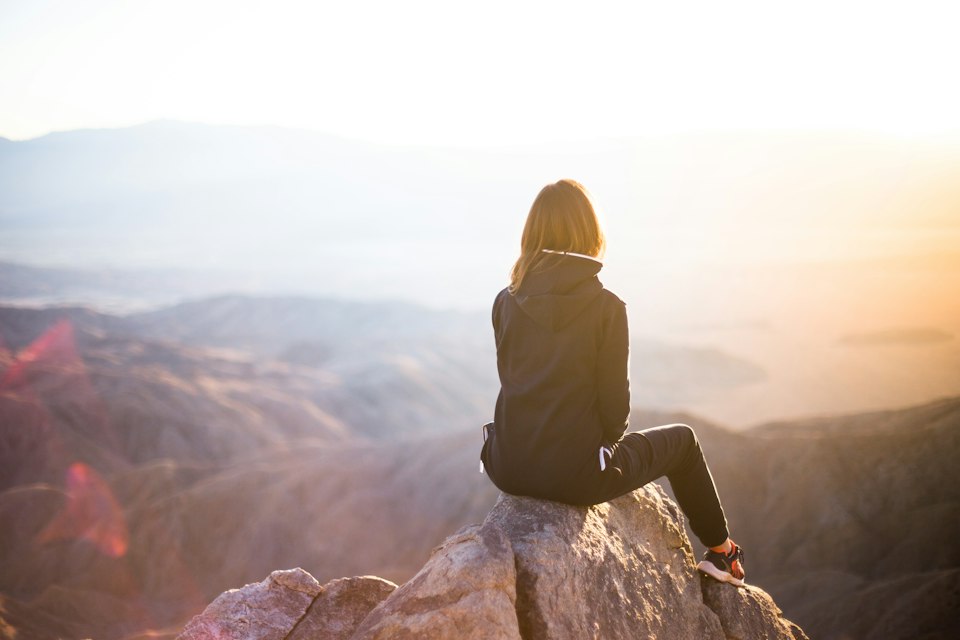

When you picture a digital nomad, what comes to mind? Is it someone sipping a coconut on a pristine beach in Bali, laptop glowing in the golden hour light? Or perhaps a creative type sketching in a bustling Parisian café, unfettered by office walls? The glossy Instagram feeds often paint a picture of perpetual vacation, a life of effortless freedom. But as someone who has spent time observing and speaking with those living this increasingly popular lifestyle, I can tell you that the reality, while often rewarding, is far more nuanced and demanding than the curated snapshots suggest. It’s a deliberate choice, a complex dance between work, travel, and personal growth that requires immense self-discipline and a robust support system.
For many, the initial draw is undeniable: the allure of escaping the daily grind, the freedom to choose your own hours, and the opportunity to experience the world not as a tourist, but as a temporary local. The rise of remote-friendly jobs, accelerated by global events, has made this dream accessible to a wider demographic than ever before. Yet, beneath the surface of exotic backdrops and flexible schedules lies a framework built on careful planning, constant adaptation, and a deep understanding of one's own working style and personal needs. It's not just about packing a suitcase; it's about re-engineering your entire existence.
The Unseen Labor of Location Independence
The freedom of location independence doesn't arrive without its own set of responsibilities and logistical hurdles. Imagine managing your work schedule across multiple time zones, navigating unfamiliar healthcare systems, or dealing with unreliable internet in a remote village. These are the everyday realities that often go unmentioned in the aspirational narratives. A digital nomad isn't just a traveler; they're also their own IT support, HR department, financial planner, and sometimes, their own travel agent. This requires a level of self-sufficiency and problem-solving that traditional employment structures often buffer us from.
Consider the practicalities of setting up a productive workspace. While a beach might be picturesque, it's rarely conducive to focused work. Most digital nomads seek out co-working spaces, quiet cafes, or dedicated areas within their temporary accommodations. This search for reliable infrastructure—fast internet, comfortable chairs, and a stable power supply—becomes a recurring theme. Then there's the administrative overhead: visa applications, tax implications across different jurisdictions, and ensuring your professional licenses (if applicable) remain valid. These aren't glamorous tasks, but they are foundational to sustaining the lifestyle. As Wired has explored, the infrastructure supporting this lifestyle is constantly evolving, from specialized visa programs to dedicated co-living spaces.
Furthermore, the perceived endless vacation can quickly lead to burnout if boundaries aren't established. The line between work and leisure blurs when your office is also your holiday destination. I’ve spoken to many who initially struggled with this, finding themselves working late into the night because the next day promised an adventure. Learning to switch off, to truly separate work from exploration, is a critical skill that takes time and conscious effort to develop.
Building Community in a Transient World
One of the most frequently cited challenges by digital nomads is loneliness. While the freedom to move is exhilarating, it can also mean leaving behind established social circles and constantly having to forge new connections. This isn't a problem unique to digital nomads, of course, but the transient nature of the lifestyle amplifies it. Imagine making close friends in one city, only to know that in a few months, you'll be moving on, and the cycle will begin anew.
However, the digital nomad community has also developed ingenious ways to combat this. Online forums, dedicated Facebook groups, and apps like Nomad List connect individuals before they even arrive in a new city. Co-working spaces often double as social hubs, organizing events, workshops, and informal meetups. Co-living arrangements, where nomads share accommodation, provide an instant community and support network. These intentional efforts to build connections are vital. It’s a testament to human resilience and our innate need for belonging that even in a highly mobile existence, individuals actively seek and create deep, meaningful relationships.
The sense of shared experience is powerful. When you meet someone who understands the unique highs and lows of living on the road—the triumph of finding perfect Wi-Fi, the frustration of a lost passport, the joy of a new discovery—there's an instant bond. This collective understanding helps mitigate the isolation that can otherwise creep in. McKinsey has highlighted the broader trend of evolving work models, noting how communities form around shared professional and lifestyle choices, even in distributed environments.
The Transformative Power of Constant Adaptation
Beyond the practicalities and social dynamics, the digital nomad lifestyle offers a profound opportunity for personal growth. Living in different cultures, navigating new languages, and constantly adapting to unfamiliar environments forces an expansion of perspective that few other lifestyles can match. It teaches resilience, flexibility, and a deeper understanding of global interconnectedness.
I’ve heard stories of individuals who started their nomad journey feeling overwhelmed by minor inconveniences, only to emerge years later as confident, resourceful problem-solvers. They learn to embrace uncertainty, to find comfort in discomfort, and to see challenges as opportunities for learning. This constant state of adaptation hones critical thinking skills and fosters a sense of global citizenship. It’s not just about seeing the world; it's about allowing the world to change you.
Moreover, the freedom to design your own work-life integration can lead to a more balanced and fulfilling existence, provided you master the art of self-management. For some, it means working fewer hours but with greater intensity, leaving more time for personal passions. For others, it’s about aligning their work with their values, choosing projects that resonate deeply. This intentionality around how one spends their time and energy is a hallmark of successful digital nomadism. The Harvard Business Review frequently discusses the evolving nature of work and the importance of autonomy in job satisfaction, a core tenet of the nomad lifestyle.
The digital nomad life, then, is far from a perpetual holiday. It is a deliberate, often challenging, but ultimately transformative way of living and working. It demands discipline, adaptability, and a proactive approach to building community and managing logistics. For those willing to embrace its complexities, it offers unparalleled freedom, profound personal growth, and a unique perspective on our interconnected world. It’s a lifestyle that asks much, but for many, it gives back even more, shaping individuals into more resilient, resourceful, and globally aware versions of themselves. What will the next evolution of this global workforce look like, and how will our societies adapt to accommodate these increasingly mobile professionals?