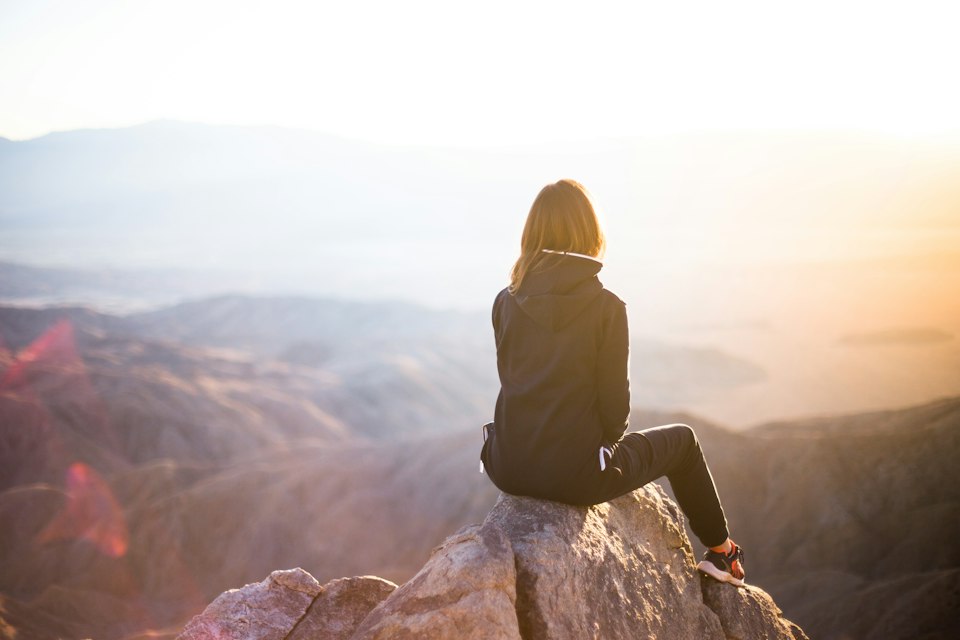

Forget the Instagram reels of laptops on pristine beaches, cocktails in hand. While those moments certainly exist, they are often the carefully curated highlights, not the day-to-day reality, of the digital nomad lifestyle. The truth is, for every sun-drenched selfie, there are hours spent wrestling with unreliable Wi-Fi in a bustling cafe, navigating unfamiliar bureaucracy, or simply trying to find a decent cup of coffee in a new city. I’ve spoken with dozens of individuals who have embraced this way of life, and what emerges is a far more complex, often challenging, but ultimately deeply rewarding picture than the glossy brochures suggest.
This isn't just about working remotely; it's about a fundamental shift in how we define work, home, and community. It's about intentionally designing a life that prioritizes flexibility and experience over traditional anchors. A 2023 report by McKinsey highlighted the growing trend of location-independent work, noting its significant impact on global talent pools and urban development. But what does that look like when the rubber meets the road, or more accurately, when your laptop meets a cafe table in Lisbon or Medellín?
The Unseen Labor of Location Independence
One of the biggest misconceptions about being a digital nomad is that it’s all travel and no grind. The reality is, the 'nomad' part often adds an extra layer of logistical labor to the 'digital' work. Imagine trying to meet a tight deadline while simultaneously researching your next Airbnb, figuring out the local public transport, and trying to learn enough of a new language to order dinner. These aren't just minor inconveniences; they are constant, low-level cognitive loads that can chip away at your focus and energy.
Take Sarah, a freelance graphic designer I met in Chiang Mai. She told me, “People see my travel photos and think I’m on permanent vacation. They don’t see the four hours I spent yesterday trying to get a local SIM card to work, or the morning I lost because the power went out in my apartment and I had to find a co-working space.” This 'unseen labor' includes everything from visa applications and health insurance navigation to finding reliable internet and building a new social circle every few months. It requires a level of adaptability and problem-solving that traditional office work rarely demands. It’s a constant negotiation with the unknown, a dance between productivity and exploration.
Then there's the financial aspect. While many digital nomads tout the cost savings of living in cheaper countries, the reality is more nuanced. Flights, travel insurance, accommodation deposits, and the occasional splurge on experiences can add up quickly. Moreover, income streams can be unpredictable for freelancers, and even those with stable remote jobs need to factor in currency fluctuations and international banking fees. It demands meticulous budgeting and a robust emergency fund, often more so than a stationary life.
Building Community When Home is Everywhere
Humans are social creatures, and one of the most profound challenges for digital nomads is maintaining a sense of community. When your 'home' is constantly shifting, so too are your social anchors. It’s a common refrain among long-term nomads: the initial excitement of meeting new people can give way to a sense of superficiality or loneliness if deeper connections aren't forged.
Many nomads find solace and structure in co-working spaces, which have blossomed in popular digital nomad hubs like Bali, Lisbon, and Mexico City. These spaces aren't just about Wi-Fi and desks; they're vital community hubs, offering everything from networking events to yoga classes. Platforms like Nomad List and local Facebook groups also play a crucial role in connecting like-minded individuals, helping them organize meetups, skill-sharing sessions, and even impromptu potlucks. I've seen firsthand how quickly strangers can become close friends when united by shared experiences and a common lifestyle, often forming bonds that are as strong, if not stronger, than those built over years in a single location.
However, these communities are often transient. People come and go, making long-term friendships a unique challenge. This means nomads often develop a different kind of social muscle – one that allows them to quickly build rapport, enjoy intense, short-term connections, and then gracefully say goodbye, understanding that paths may cross again, or they may not. It's a lesson in embracing impermanence, both in places and in relationships. A recent report by Gallup on global well-being underscored the importance of social connection, a factor digital nomads must actively cultivate.
The Profound Freedom and Personal Growth
Despite the challenges, the allure of the digital nomad lifestyle remains incredibly strong, and for good reason. The freedom it offers is unparalleled. Imagine waking up and deciding to work from a cafe overlooking the Mediterranean, or taking an afternoon break to hike a volcanic trail. This autonomy over one's time and location is not just a perk; for many, it's a fundamental value.
This lifestyle also forces a level of personal growth that few other experiences can match. Navigating new cultures, overcoming language barriers, and constantly adapting to unfamiliar environments builds resilience, problem-solving skills, and a broader worldview. I've observed that nomads often become incredibly resourceful, adaptable, and empathetic individuals. They learn to shed unnecessary possessions, prioritize experiences over material goods, and develop a profound appreciation for diversity.
It's also a powerful catalyst for self-discovery. When stripped of familiar routines and social structures, individuals are often confronted with who they truly are, what they value, and what brings them joy. This can be uncomfortable, but it's also incredibly liberating. The ability to design one's day, week, and year around personal passions, rather than being dictated by a fixed office schedule, can lead to a deeper sense of purpose and fulfillment. Research from Harvard Business Review often points to autonomy as a key driver of job satisfaction, and digital nomads embody this principle.
The digital nomad lifestyle is far more than a trend; it's a testament to our evolving relationship with work, technology, and personal freedom. It’s not a permanent vacation, but a deliberate choice to integrate work and life in a way that prioritizes experience and autonomy. It demands resilience, adaptability, and a proactive approach to building community, yet it offers profound rewards in personal growth and a broadened perspective. As our world continues to embrace remote work capabilities, the contours of this lifestyle will undoubtedly continue to shift and evolve. Perhaps the real question isn't whether you can work from anywhere, but what kind of life you want to build once you have that freedom.