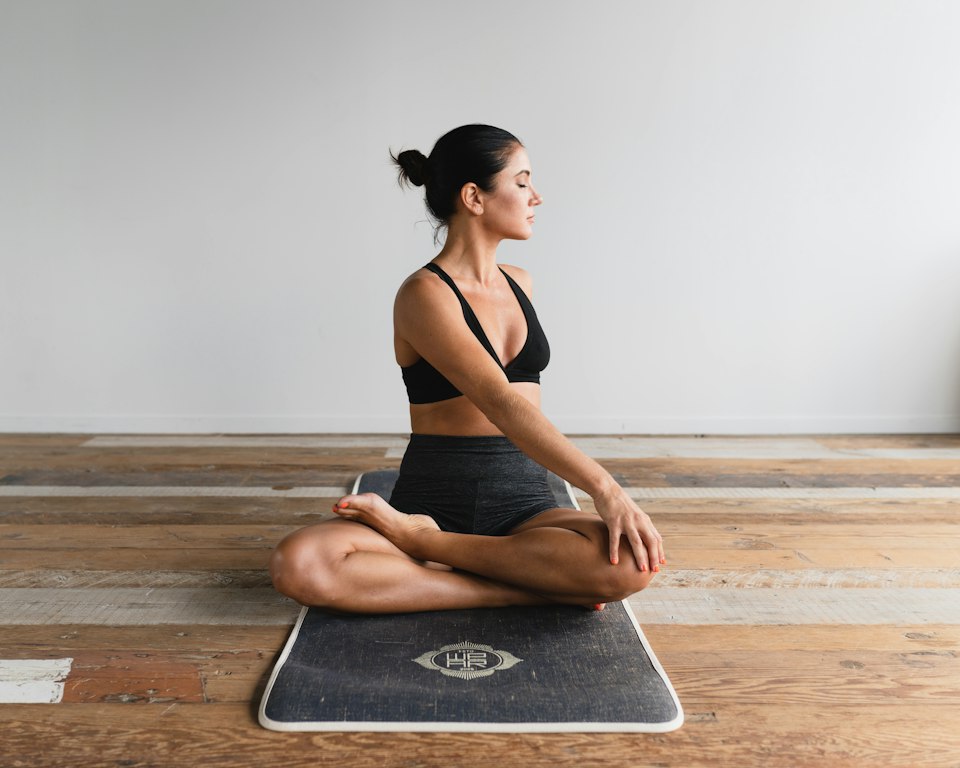

When I first encountered breathwork, it was in a dimly lit studio, tucked away above a bustling city street. The instructor spoke in hushed tones about pranayama and vagal nerve stimulation, terms that felt esoteric and a little intimidating. Fast forward a few years, and I’m seeing breathwork pop up everywhere: in corporate wellness programs, on fitness apps, and even in conversations with friends who are exploring new ways to manage their daily grind. This ancient practice, once relegated to spiritual retreats and advanced yoga classes, is now firmly stepping into the mainstream, shedding its mystique to become a practical, accessible tool for modern life.
It’s a fascinating shift, especially considering how simple the core concept is: just breathe. Yet, the intentional manipulation of our breath, moving beyond the automatic rhythm our bodies maintain, unlocks a surprising array of physiological and psychological benefits. We’re not talking about just taking a deep sigh after a long day; we're talking about structured, guided breathing patterns designed to elicit specific responses, from calming an overactive nervous system to boosting mental clarity. Why now? Perhaps it’s a collective recognition that while technology accelerates, our internal operating systems still crave a fundamental reset button.
The Science Behind the Sigh
For centuries, various cultures have understood the profound connection between breath and well-being. From Buddhist meditation to ancient Chinese Qigong, breath has been a cornerstone of practices aimed at cultivating inner peace and physical vitality. What's changed is that modern science is now catching up, providing empirical evidence for what practitioners have long known intuitively. Researchers are actively studying how conscious breathing affects our autonomic nervous system, the intricate network that controls involuntary bodily functions like heart rate, digestion, and stress response.
One key player in this equation is the vagus nerve, often dubbed the body's superhighway for well-being. This cranial nerve winds its way from the brainstem to the abdomen, influencing everything from inflammation to mood. Slow, deep breathing, particularly with an extended exhale, is a powerful activator of the vagus nerve, shifting our bodies from a 'fight or flight' (sympathetic) state to a 'rest and digest' (parasympathetic) state. This isn't just theory; studies published in journals like Nature have explored the neurobiological mechanisms through which breathwork can modulate stress, improve emotional regulation, and even impact cognitive function. It's this growing body of scientific validation that is helping breathwork shed its 'woo-woo' label and earn its place alongside more established wellness modalities.
From Niche to Necessity: Broadening Appeal
The beauty of breathwork lies in its universality and accessibility. Unlike some wellness practices that require specialized equipment or significant physical prowess, breathwork can be done almost anywhere, by almost anyone. This inherent ease has made it particularly appealing to diverse demographics, far beyond the traditional wellness enthusiast. Consider the high-pressure world of professional sports. Athletes, always seeking an edge, are increasingly incorporating breathwork into their training regimes, not just for pre-game jitters but for enhanced focus and recovery. I recently heard a story about an Olympic swimmer using specific breathing patterns to improve lung capacity and manage race anxiety, a testament to its practical application.
Similarly, the corporate world, grappling with widespread burnout and stress, is beginning to embrace breathwork as a tool for employee well-being. Workshops on mindful breathing are no longer a rarity in Silicon Valley boardrooms or Wall Street trading floors. Companies are realizing that a few minutes of guided breathwork can significantly impact employee focus, reduce stress, and foster a more resilient workforce. Even the medical community is taking note, with clinicians exploring breathwork as a complementary therapy for conditions ranging from anxiety and depression to chronic pain. Resources from institutions like Harvard are increasingly discussing the physiological benefits of mindful breathing, further solidifying its credibility.
The Digital Age of Deep Breaths
Perhaps the most significant accelerant for breathwork's mainstream adoption has been technology. The proliferation of wellness apps and online platforms has democratized access to guided breathing exercises, making it easier than ever for individuals to integrate these practices into their daily routines. Apps like Calm and Headspace, initially known for meditation, now feature extensive breathwork libraries. YouTube is awash with free guided sessions, and dedicated breathwork platforms offer everything from quick five-minute resets to intensive multi-day programs. This digital accessibility means that someone can learn a foundational technique like box breathing during their lunch break or practice a more advanced method before bed, all from the comfort of their own home.
This digital push has also fostered a sense of community, allowing people to share experiences and learn from certified instructors regardless of geographical barriers. It's a far cry from the exclusive, in-person workshops of yesteryear. While the digital format can't fully replicate the energy of a live session, it has undeniably lowered the barrier to entry, inviting millions to explore the potential of their own breath. The sheer volume of content and the ease of discovery mean that breathwork is no longer a secret practice; it's a searchable, shareable, and increasingly indispensable part of the modern self-care toolkit. The challenge now is to ensure quality and responsible guidance amidst this rapid expansion, a topic that organizations like the WHO often address in broader wellness contexts.
As we navigate an increasingly complex and demanding world, the simple act of conscious breathing offers a profound anchor. It's a reminder that some of the most powerful tools for our well-being are not external, but rather reside within us, waiting to be rediscovered. Will breathwork become as ubiquitous as daily exercise or healthy eating? The trajectory suggests it's well on its way, moving from a specialized technique to a fundamental skill for managing the pressures of contemporary life. Perhaps, in a few years, asking someone if they've done their breathwork will be as common as asking if they've had their coffee, a testament to its quiet revolution in how we approach mental and physical health.