
Remember that feeling? The one where you’ve just returned from a whirlwind two-week vacation, perhaps a meticulously planned tour of five European cities, only to feel like you need another vacation to recover? You’ve seen the sights, taken the photos, but did you truly experience anything beyond the surface? For many, this familiar post-holiday exhaustion is becoming a relic of a bygone era. A growing number of travelers are now opting for something different, something slower, more deliberate, and ultimately, more fulfilling: slow travel.
It’s not just a niche concept anymore. The shift away from the frantic, checklist-driven holiday is palpable. We’re seeing a collective exhale, a desire to linger, to absorb, to connect. This isn't about luxury or budget; it's about intentionality. Instead of rushing through Rome's Colosseum and then immediately hopping on a train to Florence, a slow traveler might spend a full week in Rome, learning a few Italian phrases, discovering a favorite local trattoria, and perhaps even attending a cooking class. It's less about ticking off landmarks and more about settling into the rhythm of a place, allowing its unique cadence to become your own, if only for a little while.
Beyond the Postcard: Deeper Connections and Authentic Living
The allure of slow travel lies in its promise of authenticity. When you spend more than just a few days in a location, you move beyond the tourist façade. You start to notice the subtle rhythms of daily life: the morning rush at the local bakery, the chatter of neighbors in the piazza, the way the light changes over the ancient ruins at different times of day. This extended engagement allows for a deeper understanding of the culture, the people, and even yourself.
Think about it: how much can you truly learn about a culture from a guided bus tour? Very little, beyond what’s printed in a brochure. But spend a month in Oaxaca, Mexico, learning Spanish, volunteering at a community garden, or frequenting the same market stalls, and you begin to forge genuine connections. You might find yourself invited to a local family’s dinner, or discover a hidden artisan workshop that no guidebook would ever mention. These are the moments that transform a trip into a truly enriching life experience. A 2023 study published in Tourism Management Perspectives highlighted that longer stays and deeper engagement with local communities significantly enhance traveler satisfaction and cultural learning outcomes. It’s a testament to the idea that quality often trumps quantity when it comes to travel experiences.
Moreover, slow travel often encourages more sustainable practices. By staying longer, travelers reduce their carbon footprint from frequent flights and minimize the environmental impact often associated with rapid, high-volume tourism. They also tend to support local businesses more directly, contributing to the local economy rather than multinational chains. The UN World Tourism Organization has increasingly advocated for responsible tourism models, and slow travel aligns perfectly with these principles, fostering a more respectful and mutually beneficial relationship between travelers and host communities.
The Digital Nomad Effect: Work-Life Integration on the Road
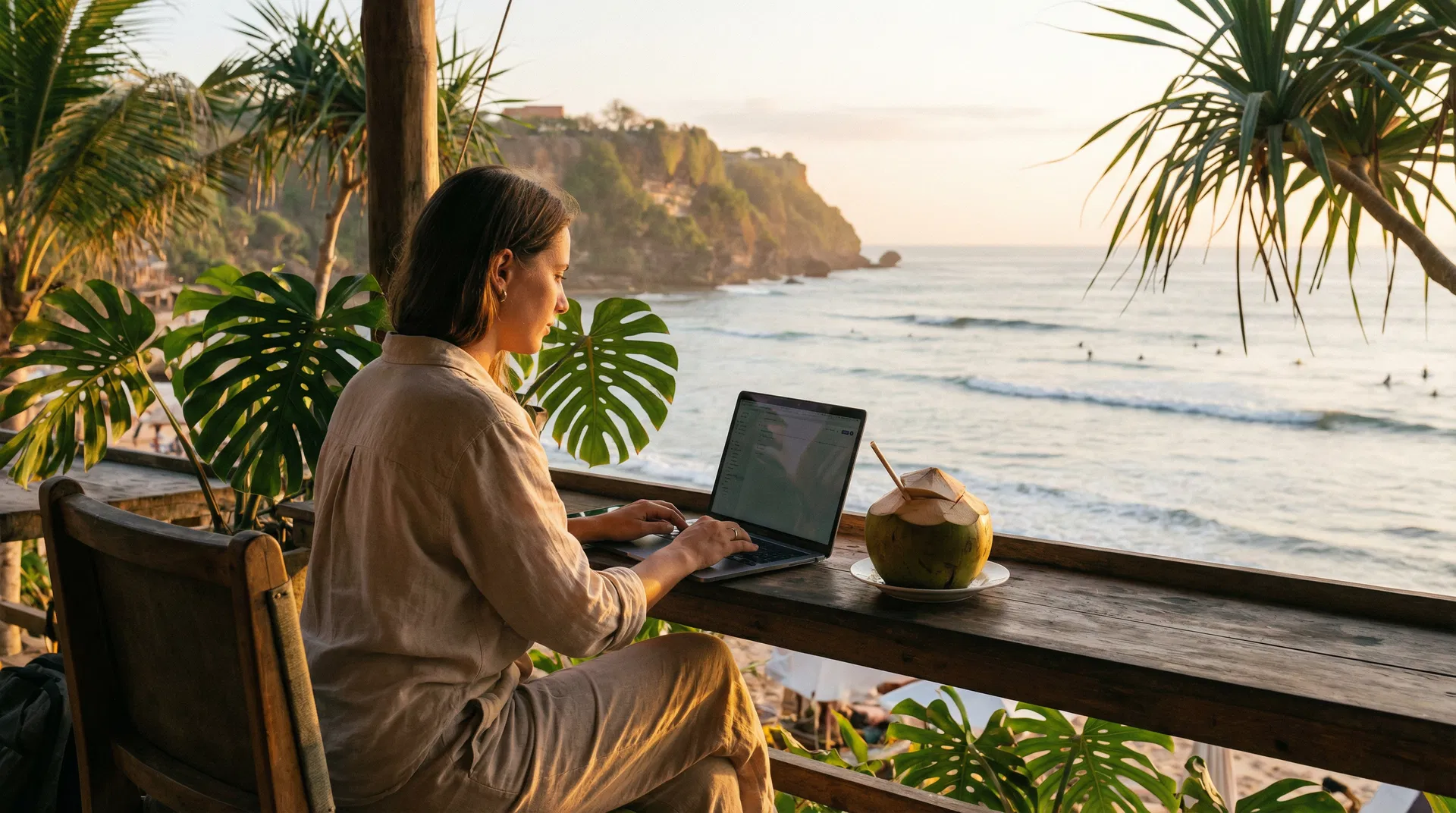
The rise of remote work has undeniably fueled the slow travel movement. For many, the traditional office has been replaced by a laptop and a reliable internet connection, freeing them from geographical constraints. This flexibility has opened up a world of possibilities, allowing individuals to blend work with extended periods of travel. What was once a fleeting holiday can now be a temporary relocation, a chance to live like a local for weeks or even months.
I've seen friends transform their lives, trading cramped city apartments for beachfront bungalows in Portugal or mountain cabins in the Dolomites, all while maintaining their careers. This isn't just for the young and unattached; families are increasingly embracing this lifestyle, enrolling their children in local schools for a semester or homeschooling them while exploring new cultures. The concept of a