Remember that sinking feeling when you’re trying to log into an old account, and after three failed password attempts, you’re locked out? Or the sheer frustration of a “Forgot Password” ritual that involves checking email, clicking a link, and creating yet another complex string of characters you’ll inevitably forget? For decades, this has been our digital reality, a constant friction point between security and convenience. Yet, in a surprising turn, the tide is finally shifting. After years of promises, passwordless authentication isn't just a futuristic concept; it's here, and it's rapidly becoming the norm for millions.
It wasn't long ago that the idea of logging in without a password felt like science fiction. Now, whether you're unlocking your phone with a glance, approving a bank transaction with your fingerprint, or signing into a website using a passkey generated by your device, you're experiencing the quiet revolution of passwordless access. This isn't just about making our lives a little easier; it's a fundamental re-evaluation of how we prove our identity online, driven by an urgent need for better security and a more seamless user experience.
The Painful Legacy of Passwords: A Security Paradox
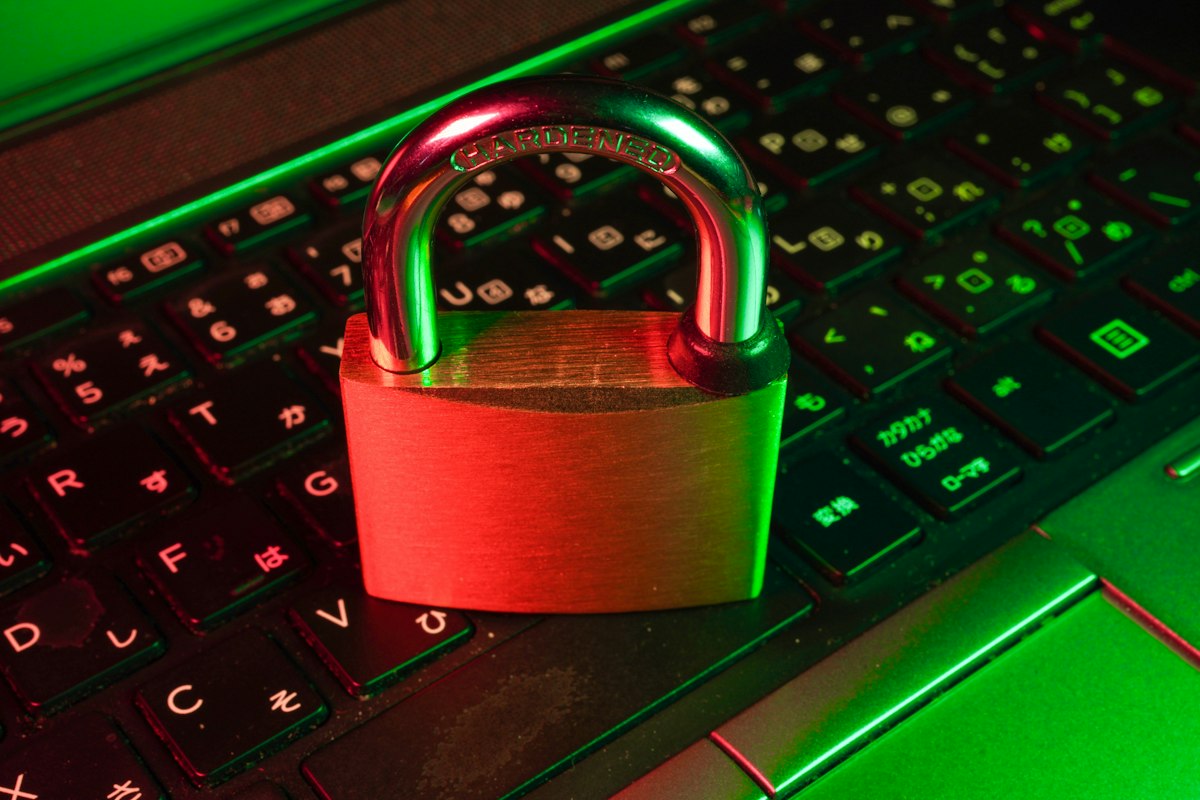
For all their ubiquity, passwords have always been a flawed system. They're the digital equivalent of a flimsy lock on a treasure chest – easily picked, often forgotten, and a constant source of anxiety. We’re told to make them long, complex, unique for every site, and change them frequently. The result? A human tendency to reuse simple passwords, write them down, or resort to easily guessable patterns. This creates a security paradox: the very mechanism designed to protect us often becomes our weakest link.
Data breaches are a stark reminder of this vulnerability. Every year, headlines trumpet massive leaks where millions of usernames and passwords are stolen, often due to credential stuffing attacks where criminals try compromised credentials on other sites. Phishing scams, too, thrive on tricking users into revealing their passwords. My own inbox is a daily testament to this, filled with increasingly sophisticated attempts to lure me into giving up my login details. The sheer volume of these attacks makes it clear: relying solely on something you know (a password) is no longer sufficient in a world where sophisticated attackers are constantly at work.
Passwordless authentication tackles this head-on by shifting the burden from human memory to secure hardware and biometrics. Instead of remembering a complex string, you're verifying yourself with something you have (your device) or something you are (your fingerprint or face). This fundamental change significantly reduces the attack surface for many common cyber threats, making it much harder for attackers to impersonate you.
Passkeys: The New Standard Bearer
While biometrics like fingerprint and facial recognition have been around for a while, the real game-changer in the passwordless movement is the widespread adoption of passkeys. Think of a passkey as a unique, cryptographic key pair generated by your device for a specific website or service. One part of the key lives securely on your device (your private key), and the other part is registered with the service (your public key).
When you log in, your device uses its private key to prove its identity to the service, often requiring a quick biometric scan or PIN confirmation from you. The beauty of this system is that the private key never leaves your device, and there's nothing for an attacker to steal from a server that could then be used to impersonate you. Even better, passkeys are resistant to phishing because they are tied to the specific website they were created for. If a phishing site tries to trick you, your device simply won't recognize it as the legitimate service and won't offer to use your passkey.
This technology isn't proprietary; it's built on open standards developed by the FIDO Alliance (Fast IDentity Online), an industry consortium including tech giants like Apple, Google, and Microsoft. Their unified support means that passkeys are interoperable across different devices and platforms. I've personally started using them on several services, and the experience is remarkably smooth. A quick face scan on my phone, and I'm in – no typing, no remembering, just seamless access. This cross-platform compatibility and ease of use are precisely why passkeys are accelerating the mainstream adoption of passwordless login.
Beyond Convenience: The Business Imperative
While user experience is a huge driver, the move to passwordless isn't just about making life easier for individuals; it's a critical business imperative. For companies, reducing reliance on passwords translates directly into tangible benefits:
- Reduced Support Costs: A significant portion of IT help desk calls are related to password resets. By eliminating passwords, companies can drastically cut down on these support requests, freeing up resources and saving money.
- Enhanced Security Posture: With fewer passwords floating around, the risk of data breaches due to compromised credentials diminishes. This protects customer data, safeguards intellectual property, and helps maintain brand trust.
- Improved User Engagement: A frictionless login experience means users are less likely to abandon a transaction or service due to login frustration. This can lead to higher conversion rates and increased customer loyalty.
- Compliance and Regulatory Alignment: As data privacy regulations become stricter, robust authentication methods are increasingly important for demonstrating due diligence in protecting user information. Passwordless solutions often provide a stronger audit trail and better security guarantees.
Consider a large enterprise with thousands of employees. The cumulative time spent on password resets, the security risks associated with weak or reused passwords, and the potential for phishing attacks represent a substantial operational overhead and security liability. Shifting to passwordless authentication across their internal systems and customer-facing applications offers a compelling return on investment, not just in dollars, but in peace of mind.
The journey to a truly passwordless world won't happen overnight. Legacy systems, user education, and the sheer inertia of ingrained habits mean that passwords will likely linger in some corners for a while. However, the momentum is undeniable. With major technology players aligning behind open standards like FIDO, and with users increasingly demanding both security and simplicity, the era of the forgotten password is rapidly drawing to a close. We are witnessing a fundamental shift in how we interact with our digital lives, moving towards a future where our identity is verified not by what we remember, but by who we are and what we securely possess. What will it feel like when the last password finally fades into history? I suspect it will be a collective sigh of relief.