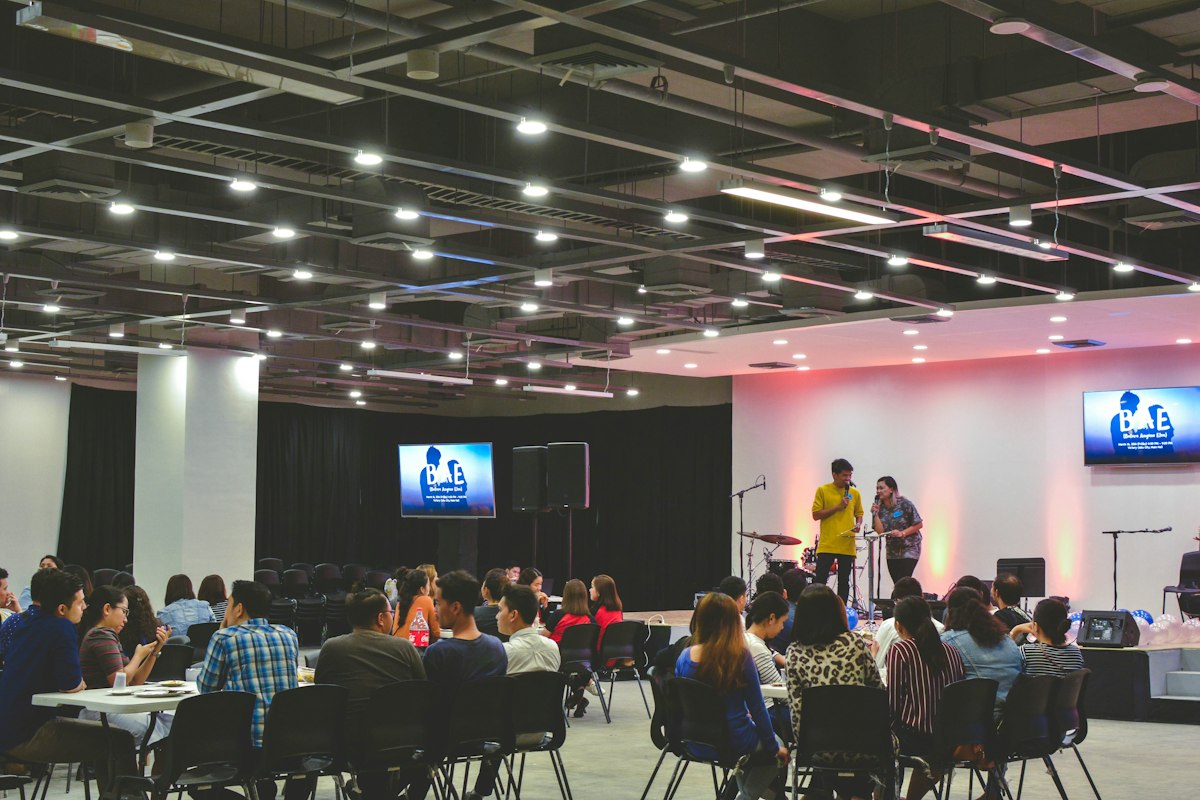

Remember the collective gasp? Or the ripple of applause that swept through a packed auditorium when Steve Jobs first pulled the MacBook Air from a manila envelope? That wasn't just a product reveal; it was a moment, a shared experience etched into the memory of everyone watching, whether in person or via livestream. In an era where a new gadget or service can be announced with a simple press release or a slick online video, it might seem counterintuitive to invest heavily in a physical event. Yet, the most impactful product launches, from tech giants to emerging startups, continue to leverage the undeniable power of gathering people in one room. Why? Because some things, like genuine excitement and human connection, simply can't be fully replicated through a screen.
We’ve all grown accustomed to virtual meetings and digital presentations, especially over the past few years. They offer convenience, cost savings, and reach. But when it comes to introducing something truly novel, something that demands attention and inspires belief, the in-person launch remains the gold standard. It’s about more than just showing off a new feature; it’s about crafting an atmosphere, telling a story, and forging a tangible link between the product and its future users.
Crafting an Unforgettable Sensory Experience
A virtual launch, no matter how well-produced, is ultimately a two-dimensional experience. You can see, you can hear, but you can't touch, smell, or feel. An in-person event, however, engages all the senses. Think of the tactile satisfaction of holding a new device for the first time, the subtle scent of a freshly printed brochure, the buzz of conversation, or the taste of a specially curated catering menu. These elements combine to create a multi-sensory experience that leaves a deeper, more lasting impression.
Consider the automotive industry, for example. While car manufacturers often release stunning CGI videos of their latest models, nothing compares to seeing a new vehicle under bright lights, feeling the texture of the upholstery, hearing the engine hum (or the electric silence), and even catching a whiff of that 'new car smell.' These sensory details aren't just pleasant; they're critical for building desire and trust. They allow potential customers, journalists, and partners to form a much richer, more personal connection with the product than any digital rendering ever could. This isn't just about luxury items; even for B2B software, a live demo where attendees can interact with the interface, ask questions in real-time, and see the product in action within a simulated environment can be far more convincing than a pre-recorded walkthrough.
The Irreplaceable Value of Human Connection
Beyond the product itself, in-person launches facilitate invaluable human interactions. These events bring together key stakeholders: developers, executives, partners, media, and early adopters. This creates a unique ecosystem of networking and collaboration that simply doesn't happen with the same spontaneity or depth online. I've personally witnessed countless serendipitous connections at these events – a journalist chatting informally with an engineer, a potential investor overhearing a passionate product manager, or a competitor gaining a new perspective from a casual conversation.
These interactions foster a sense of community and shared purpose. Journalists get exclusive access to the minds behind the innovation, allowing for more nuanced and insightful reporting. Partners can forge stronger relationships, leading to future collaborations. And for the brand itself, these events are a powerful way to communicate its values, vision, and passion directly. It’s a chance to put a human face to the technology, to share the story of its creation, and to build genuine rapport. A 2023 study by McKinsey & Company highlighted that while virtual events have their place, in-person B2B events remain crucial for building trust and closing complex deals, underscoring the irreplaceable role of face-to-face interaction.
Building Buzz and Media Momentum
One of the primary goals of any product launch is to generate buzz, and in-person events are exceptionally good at this. The spectacle of a live event, complete with dramatic reveals, keynote speeches, and interactive demonstrations, is inherently more newsworthy than a digital announcement. Media outlets are more likely to dedicate significant coverage to an event that offers exclusive access, compelling visuals, and opportunities for interviews.
Think of the carefully choreographed events from companies like Apple, where every detail, from the stage design to the lighting, is meticulously planned to create a memorable spectacle. This isn't just for the attendees; it's for the millions watching worldwide. The live energy translates through screens, creating a sense of urgency and shared excitement. Furthermore, the concentrated presence of journalists and influencers at a physical event creates a snowball effect. Their immediate reactions, social media posts, and early reviews amplify the message, generating a wave of media attention that is difficult to achieve through distributed online efforts alone. The hands-on experience provided to select media at these events is critical for informed, in-depth reporting.
Moreover, the controlled environment of a physical launch allows brands to manage the narrative more effectively. They can anticipate questions, provide immediate clarifications, and ensure that the product's key messages are communicated clearly and consistently. This level of control is harder to maintain in the fragmented, often chaotic, landscape of online information dissemination.
While virtual launches offer undeniable benefits in terms of reach and efficiency, they often lack the visceral impact and deep engagement that only a physical gathering can provide. The sensory richness, the opportunities for genuine human connection, and the concentrated media attention generated by an in-person event combine to create a launch platform that is truly unparalleled. As we look to the future, it's clear that the most successful brands will continue to understand that while digital tools are powerful, the human desire for shared experiences and tangible interactions remains a fundamental driver of excitement and adoption. The question isn't whether virtual launches have a place, but rather, how can we best leverage the unique strengths of both physical and digital to create truly unforgettable moments?