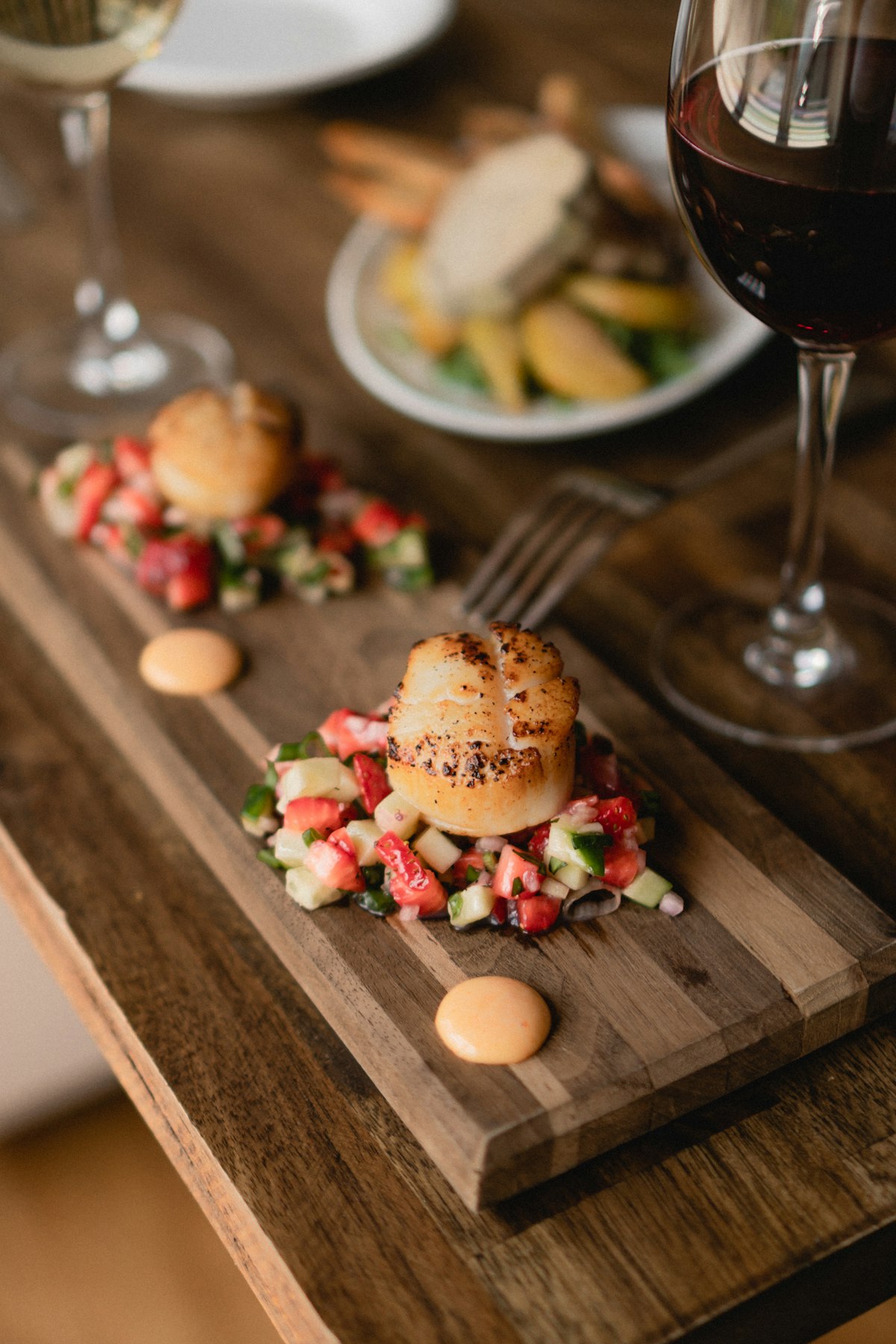

I once spent an entire afternoon meticulously crafting individual amuse-bouches for a dinner party, only to realize, as my first guest rang the doorbell, that I hadn't even set the table. The kitchen was a war zone, I was still in my cooking clothes, and the carefully planned evening felt more like a military operation than a convivial gathering. Sound familiar? We often conflate 'hosting' with 'perfection,' believing that every dish must be Michelin-star worthy and every detail flawlessly executed. But what if the true art of hosting lies not in culinary gymnastics, but in creating an atmosphere where everyone, including the host, feels genuinely at ease?
The pressure to impress can turn what should be a joyful occasion into a source of immense anxiety. From agonizing over the menu to fretting about the cleanliness of every corner, the modern host often shoulders an invisible burden. Yet, the most cherished dinner parties I've attended weren't about gourmet extravagance; they were about laughter, good conversation, and the feeling of being truly welcomed. It's time to reclaim the dinner party as a space for connection, not competition, by embracing strategies that prioritize enjoyment over elaborate performance.
The Power of Strategic Simplicity
The first step to a stress-free dinner party is a radical acceptance of simplicity. This doesn't mean serving frozen pizza (unless that's your vibe, and honestly, no judgment here!), but rather choosing dishes that are delicious, satisfying, and don't demand your constant attention. Think about meals that can be largely prepared in advance or that cook themselves while you mingle. A hearty stew, a slow-roasted chicken, or a lasagna are excellent candidates. These dishes often taste even better after a day or two, allowing you to focus on assembly rather than last-minute culinary heroics.
Consider a menu with a clear theme, which can surprisingly simplify choices. A 'Taco Tuesday' theme, for instance, means guests can assemble their own plates, reducing your workload significantly while still offering variety. Or a 'Mediterranean mezze' spread with dips, olives, cheeses, and warm pita – much of which can be bought pre-made or assembled quickly. The goal is to minimize active cooking time when guests are present. I've found that having a few reliable, crowd-pleasing recipes in my repertoire, like a simple roasted vegetable medley or a foolproof chocolate lava cake, makes menu planning a breeze. According to a New York Times Cooking article, home cooks often find joy in mastering a few signature dishes.
Don't be afraid to delegate or outsource. A beautiful cheese board can be assembled from store-bought components. A bakery can provide an exquisite dessert. If a guest offers to bring something, accept gracefully! This isn't a sign of weakness; it's a smart move that fosters a sense of shared contribution and lightens your load. A 2017 study published in the Journal of Hospitality & Tourism Research highlighted how perceived host effort can impact guest satisfaction, but also noted the importance of a relaxed atmosphere.
Setting the Stage for Connection, Not Perfection
Once the menu is under control, turn your attention to the ambiance. Here again, simplicity is your ally. A clean living space is more important than a perfectly styled one. Focus on the areas where guests will gather: the dining table, the living room, and the bathroom. A quick tidy-up, fresh towels, and a pleasant scent (perhaps from a diffuser or a lit candle) go a long way. You don't need a professional decorator's touch; you need a welcoming environment.
Lighting is a powerful, yet often overlooked, tool. Ditch harsh overhead lights for softer, warmer lamps or candlelight. This instantly creates a more intimate and relaxed mood. Music, too, plays a crucial role. A curated playlist of background music – something pleasant and not too distracting – can set the tone without overpowering conversation. Think jazz, acoustic, or world music at a low volume. The aim is to create a comfortable backdrop, not a concert hall.
And what about the table itself? While a beautifully set table is lovely, it doesn't need to be elaborate. Clean plates, cutlery, and glasses are paramount. A simple centerpiece, like a small vase of flowers or a bowl of fruit, adds warmth without clutter. Remember, the focus should be on the people around the table, not the intricacies of the place settings. As author and chef Samin Nosrat often emphasizes, the best meals are those shared with good company, not necessarily the most complex ones. Her book, Salt, Fat, Acid, Heat, champions understanding fundamentals over rigid recipes.
Embracing the Flow: Be a Guest at Your Own Party
Perhaps the most challenging, yet most rewarding, aspect of stress-free hosting is learning to be present. Once your guests arrive, your role shifts from chef and organizer to facilitator of conversation and enjoyment. This means resisting the urge to constantly check on dishes in the kitchen or fuss over minor details. If a dish is slightly overcooked, or if you forgot to put out the bread, it's okay. Your guests are there for you and the company, not a culinary critique.
Prepare a simple signature drink or have a selection of beverages readily available so guests can help themselves. This frees you from constant bar duty. Similarly, place appetizers where they are easily accessible. The more self-sufficient your guests can be, the more you can relax and engage. I've found that having a pitcher of infused water or a pre-mixed cocktail ready to pour makes a huge difference.
The biggest secret? Don't apologize for imperfections. If something isn't quite right, a simple,