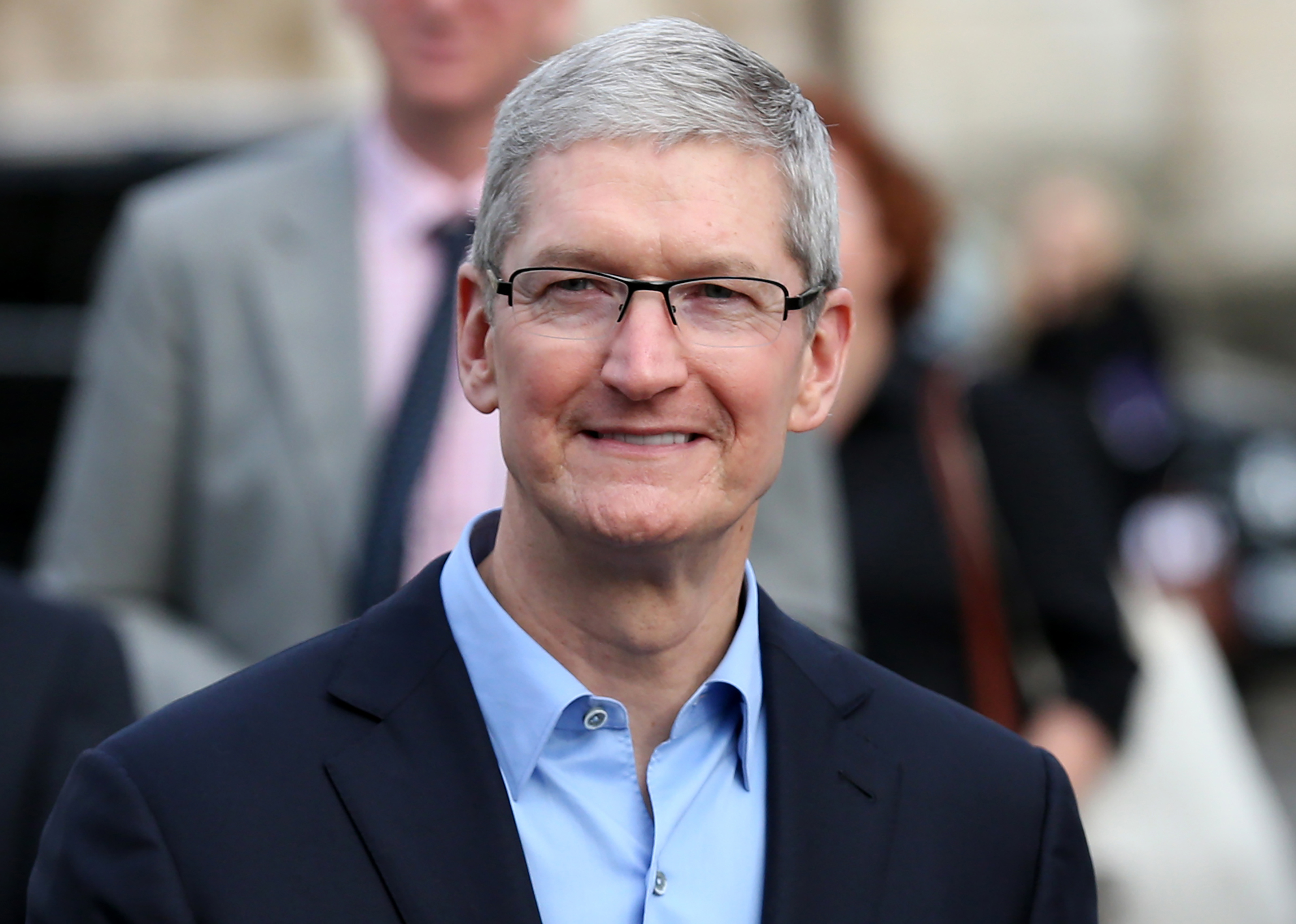

Apple has officially triggered the start of its next era. Apple announced on April 20 that Tim Cook will become executive chairman and John Ternus will take over as CEO effective on September 1, 2026, a move the company says was unanimously approved by its board as part of a long-term succession plan.
This is not a routine leadership update. It is one of the most consequential corporate power shifts in tech, and it lands at a moment when Apple is facing growing pressure to prove it can lead in an AI-first market instead of relying on the sheer weight of its brand. Reuters reported that the transition comes as Apple faces stronger competition in artificial intelligence from rivals across the industry.
John Ternus is not a symbolic pick. He is a longtime Apple hardware executive who has spent years helping shape the company’s most important products, including the iPhone, iPad, Mac, Apple Watch, and AirPods. That matters because Apple is making a statement with this decision. It is betting that disciplined product leadership, not panic, is still the best way to navigate the next phase of tech competition.
Cook’s move to executive chairman suggests continuity, not retreat. Apple also said Ternus will join the board, while Johny Srouji will take on an expanded role as chief hardware officer with responsibility over Hardware Engineering. Taken together, the full leadership announcement reads less like disruption and more like a company carefully positioning itself for its next competitive cycle.
The real takeaway is bigger than succession. Apple is choosing who will define its answer to the AI era, and it has chosen a hardware veteran to do it. That is a statement about where the company believes its edge still lives. Now the market gets to decide whether Apple’s next chapter feels visionary or overdue.